Algorithmic Patterns Linking User Payment Habits to Real-Time Game Participation in Progressive Reward Platforms
Written by Bianca Weber · Aug 5, 2026
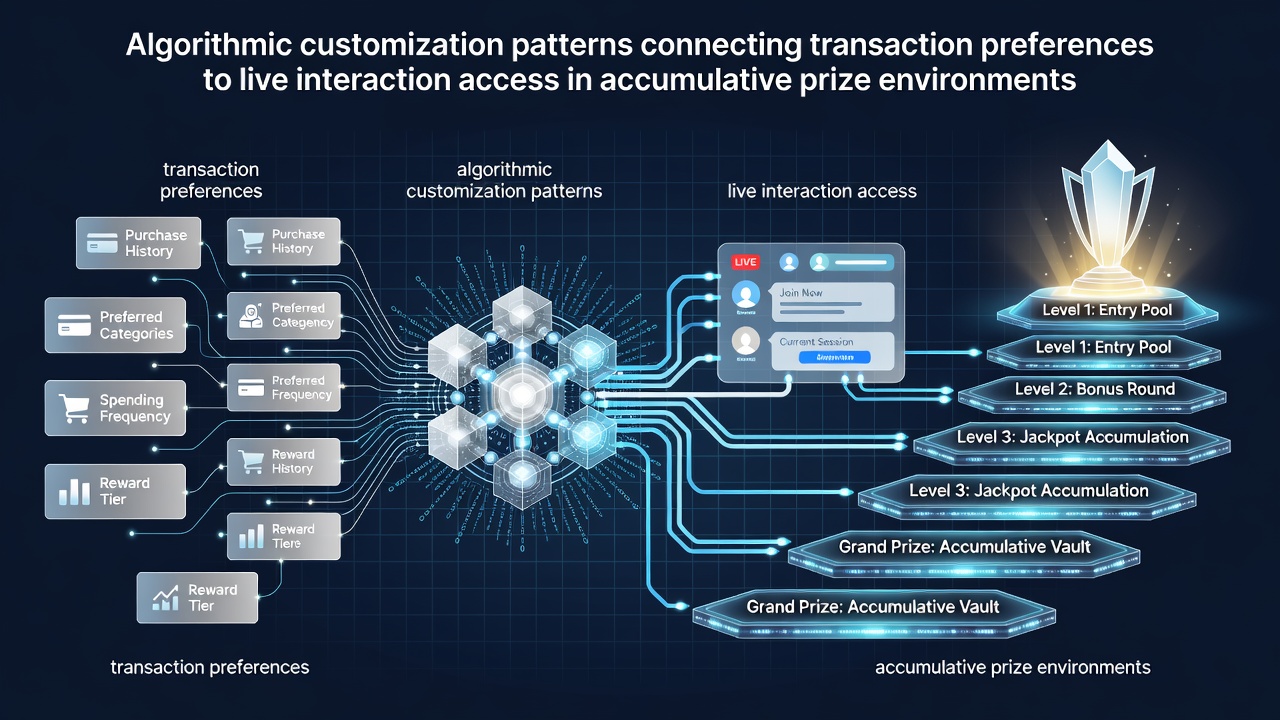
Algorithmic Patterns Linking User Payment Habits to Real-Time Game Participation in Progressive Reward Platforms
Algorithmic customization in digital gaming environments relies on data from transaction preferences to shape how players gain entry to live interactions within accumulative prize structures, and these systems process deposit histories alongside withdrawal patterns to adjust visibility of real-time hosted tables and reel features tied to growing jackpots.
Payment method choices such as instant bank transfers, digital wallets, or card options feed into machine learning models that evaluate speed, frequency, and amount consistency, while those same models then determine bonus multipliers or eligibility flags for progressive pools that accumulate across sessions.
Transaction Data as Input for Personalization Engines
Systems collect details on preferred funding routes and link them directly to interaction layers where live dealer sessions intersect with accumulative rewards, so a pattern of rapid e-wallet deposits might trigger higher priority queues for exclusive progressive jackpot tables whereas slower card-based methods could route users toward standard reel incentives first.
Researchers at institutions tracking iGaming metrics have noted that these connections appear most clearly in mobile environments where session length data combines with transaction velocity to refine access rules, and data from the Nevada Gaming Control Board shows steady growth in personalized features across regulated platforms through mid-2026.
Live Interaction Access Mechanisms
Live-hosted games in accumulative prize settings require algorithmic gating because participation often unlocks shared prize pools that increase with each qualifying action, therefore the software evaluates a user's historical transaction profile before granting entry to those shared environments.
When payment preferences align with platform criteria for speed and verification, the system opens pathways to real-time interactions that feed directly into progressive meters, and observers note that this gating process updates dynamically during peak hours to balance server load with reward distribution.

Accumulative Prize Environment Dynamics
Progressive reward systems grow through contributions from multiple users, yet algorithmic layers determine which participants can interact with the live components that accelerate those growth rates, and this creates differentiated experiences where transaction history influences both visibility and contribution multipliers.
Figures released in August 2026 by regulatory bodies in multiple jurisdictions indicate continued expansion of these personalized progressive features across smartphone applications, and the patterns show stronger correlations between verified instant payment methods and sustained engagement with live-hosted progressive tables.
Integration of Mobile Platform Variables
Mobile applications integrate geolocation and device data with transaction logs to fine-tune access, so users who maintain consistent funding routes through approved channels encounter fewer barriers when attempting to join live dealer sessions linked to growing prize pools, while those with varied or delayed payment patterns may receive alternative routing toward non-progressive content first.
Studies from academic groups examining digital entertainment platforms have documented how these customizations operate without user intervention, relying instead on backend pattern recognition that updates eligibility scores in real time as new transactions process.
Regulatory and Technical Considerations
Authorities in regions such as Ontario through the Alcohol and Gaming Commission of Ontario require transparency around algorithmic decision-making that affects prize access, and platforms must maintain audit trails connecting transaction preferences to any restrictions placed on live interaction features within accumulative environments.
Technical implementations often involve rule-based engines layered over neural networks that score user profiles continuously, allowing rapid adjustments when payment behaviors shift or when new accumulative prize thresholds activate across the network.
Conclusion
Algorithmic customization patterns that connect transaction preferences to live interaction access in accumulative prize environments continue to evolve through integration of real-time data streams and regulatory oversight, and these systems maintain operational balance by aligning payment history signals with participation opportunities in progressive structures. The documented growth in such features through August 2026 underscores their expanding role across mobile and desktop platforms where live elements intersect with shared reward mechanisms.