Charting Interlinked Reward Chains Across Multi-Format Gaming Portals: How Verification Layers Tie Table Strategies to Accumulator Reel Access
Written by Petra Müller · Aug 24, 2026
Charting Interlinked Reward Chains Across Multi-Format Gaming Portals: How Verification Layers Tie Table Strategies to Accumulator Reel Access
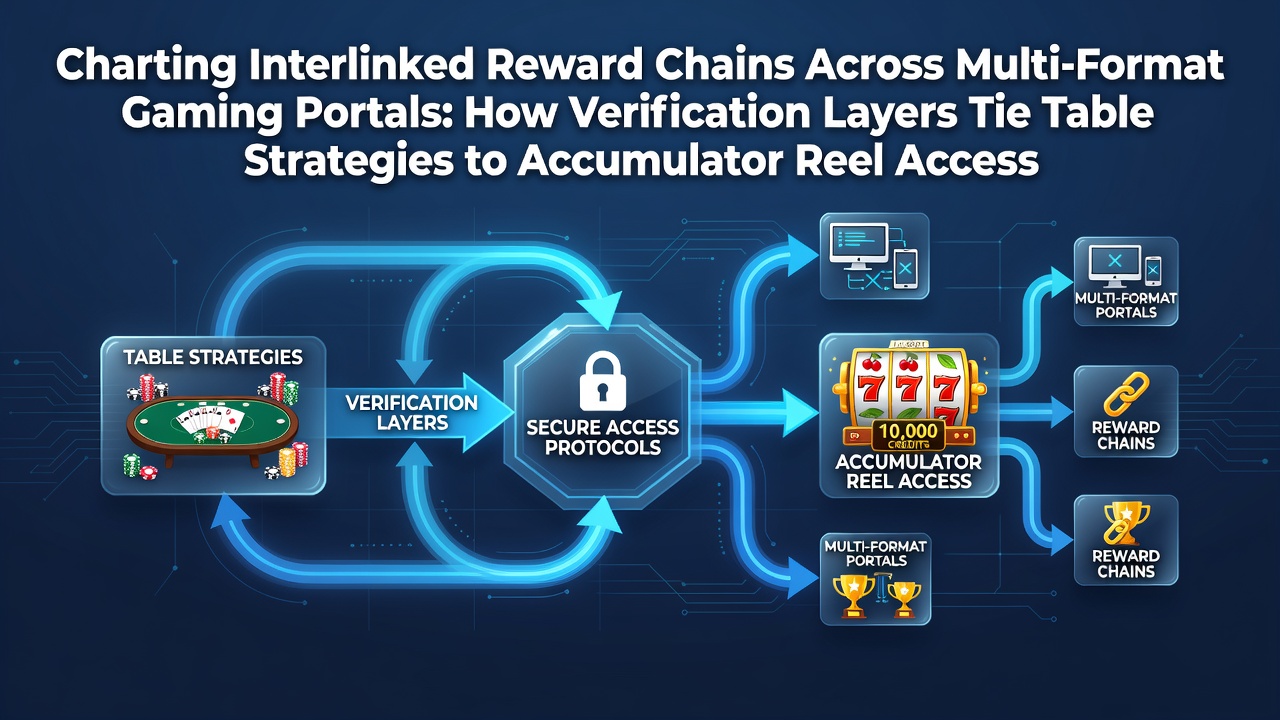
Multi-format gaming portals integrate table games with accumulator reel systems through layered verification protocols that establish direct connections between player strategies and reward eligibility, and these structures have expanded notably since regulatory adjustments took effect in several jurisdictions during 2025. Verification layers function as gatekeepers that authenticate user profiles, transaction histories, and gameplay patterns before granting access to chained incentives, which means participants who apply specific betting sequences at tables often unlock reel features that accumulate value across sessions.
Data from industry tracking services shows that verified accounts experience higher rates of cross-format reward activation, with table strategy metrics such as hit frequency and wager progression feeding directly into reel accumulator thresholds. Observers note that these ties emerged more clearly after platform operators refined their backend systems to synchronize live dealer interactions with slot mechanics, creating pathways where consistent table performance triggers bonus reel spins or multiplier boosts in accumulator modes.
Verification Protocols and Their Role in Reward Integration
Verification processes require identity confirmation, payment method validation, and behavioral analysis, which collectively determine eligibility for interlinked chains while maintaining compliance standards set by regional authorities. Once completed, these layers allow table game decisions, including card counting adjustments or position-based betting, to influence accumulator reel access by adjusting player tiers or unlocking shared progress bars that span both formats. Studies conducted by research groups in North America and Europe indicate that portals employing unified verification see measurable increases in session duration across game types, because players recognize that table outcomes can accelerate reel accumulation rates.
Platforms operating in regulated markets have documented cases where enhanced verification reduced friction in reward transfers, enabling seamless movement from poker table wins to progressive reel entries without separate qualification steps. This integration relies on real-time data exchange between game servers, so that strategic choices made during table play update accumulator eligibility instantaneously.
Table Strategies Feeding Into Accumulator Mechanics
Strategic play at tables generates data points that verification systems map onto reel systems, and examples include maintaining optimal blackjack splits or roulette progression bets that correlate with higher accumulator entry probabilities. Those who've analyzed portal analytics report that players maintaining disciplined table approaches accumulate reel credits at faster rates once verification confirms their activity patterns, turning consistent performance into access keys for bonus reel rounds.
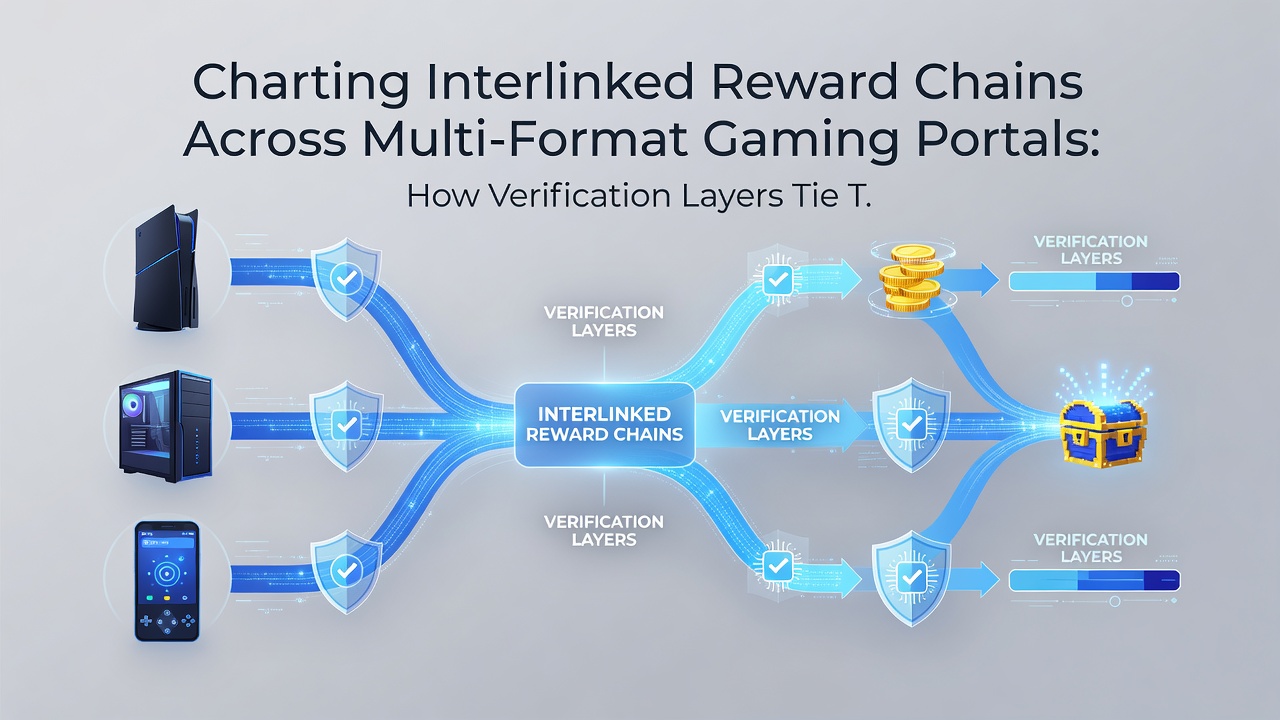
Accumulator reels operate on pooled contribution models where verified table activity adds to shared prize pools, and this connection strengthens when platforms apply tiered verification that rewards long-term engagement. In August 2026, several operators updated their protocols to include predictive modeling that anticipates reel access based on recent table sessions, allowing proactive notifications to players about impending accumulator opportunities tied to their verified strategies.
Cross-Portal Dynamics and Data Flow
Multi-format environments distribute these reward chains across mobile, desktop, and live-streamed interfaces, with verification ensuring consistent tracking regardless of access point. Research from academic institutions in Australia highlights how verification timestamps align table decisions with reel triggers, creating traceable chains that regulators can audit for fairness and transparency. Figures from the American Gaming Association reveal steady growth in cross-format participation following verification enhancements, particularly in markets where accumulator features draw from both table and reel contributions.
Additional insights emerge from reports issued by Canadian regulatory bodies, which track how verification reduces duplicate account issues and thereby strengthens the reliability of reward chain calculations. Players who navigate these systems effectively often find that table strategies directly calibrate reel volatility settings or entry costs, producing measurable differences in outcome distributions across verified versus unverified profiles.
Conclusion
Interlinked reward structures continue to evolve as verification layers refine the connections between table strategies and accumulator reel access, supported by data exchanges that span multiple game formats and regulatory regions. Continued monitoring from industry organizations and research entities will likely document further refinements to these systems in coming periods, particularly as operators expand portal capabilities while adhering to verification requirements.