Comstock Companies Firmly Denies Casino Interest in Herndon or Reston, Eyes Tysons Project Amid Virginia's Gaming Shake-Up
Written by Dana Vogel · May 8, 2026

Comstock Companies Firmly Denies Casino Interest in Herndon or Reston, Eyes Tysons Project Amid Virginia's Gaming Shake-Up
The Quick Denial That Cleared the Air
Comstock Companies, a key player in Northern Virginia development, issued a straightforward denial on May 8, 2026, stating no interest whatsoever in building a casino in Herndon or Reston; this came right after a FOX5 report stirred up speculation linking the firm to those towns, even as Herndon's Planning Commission mulled over zoning tweaks that never quite took off. According to the developers themselves, those areas sat nowhere on their radar, and the clarification landed amid broader talks about gaming expansion in Fairfax County. What's interesting here is how swiftly Comstock shut down the rumors, emphasizing their laser focus remains locked on a mixed-use casino project in Tysons, where plans have chugged along steadily.
Herndon's town leaders had floated a zoning amendment recently, but plans now call for pulling it back entirely; this shift follows Virginia Governor Abigail Spanberger's veto of Senate Bill 756, a measure that aimed to greenlight casinos in Fairfax County but hit a wall. Observers note the timing feels spot-on, with Comstock's statement arriving just as local discussions cooled off, preventing any mix-up between their Tysons ambitions and nearby suburban chatter.
Unpacking the FOX5 Report and Local Zoning Buzz
The FOX5 piece, which dropped earlier that week, suggested Comstock might eye Herndon or Reston for casino development, sparking immediate questions from residents and officials alike; but Comstock responded fast, calling it a misunderstanding since their blueprint never included those spots. Herndon's Planning Commission, meanwhile, weighed the zoning change as a precautionary step, yet data from town records shows they intend to withdraw it now, especially after the governor's veto sealed the deal on broader county-wide casino hopes.
And here's where it gets interesting: Senate Bill 756, pushed through the Virginia General Assembly earlier in 2026, sought to expand gaming options by allowing up to two casinos in Fairfax County, one potentially in Tysons; proponents argued it would boost tax revenue and jobs, but Governor Spanberger vetoed it on grounds that the state already had enough gaming saturation, citing figures from the Virginia Department of General Services on existing lotteries and racetracks. That veto, announced in late April, rippled straight into local planning, prompting Herndon to reconsider its stance without needing to chase unconfirmed developer interest.
- Comstock's official word: "Herndon and Reston were never part of our plans."
- Herndon's next move: Withdraw zoning amendment post-veto.
- Governor's rationale: Avoid over-expansion in gaming.
People who've followed Virginia's gaming landscape know these kinds of rumors pop up often in high-growth areas like Fairfax, where mixed-use projects blend retail, housing, and entertainment; Comstock, known for such ventures, clarified their Tysons proposal stands alone, incorporating a casino alongside offices and residences in a bid to revitalize the area.
Comstock's Tysons Vision Takes Center Stage
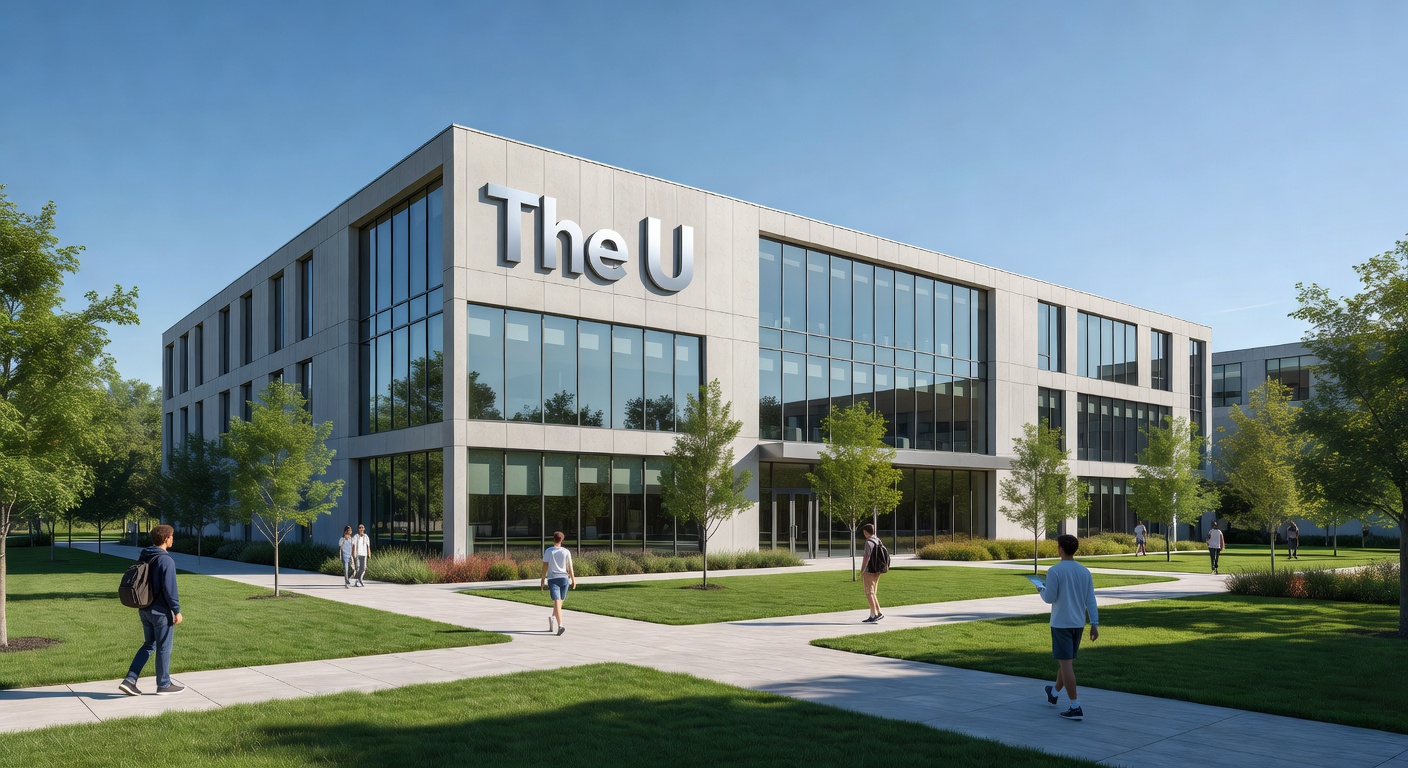
Turns out, Comstock's real game plan hinges on Tysons, a bustling hub in Fairfax County where they've pitched a comprehensive mixed-use development; this includes a casino as a cornerstone, drawing from studies by the American Gaming Association that highlight how integrated resorts drive economic growth through tourism and local spending. Experts have observed that Tysons, with its proximity to D.C. and strong infrastructure, positions itself perfectly for such a project, unlike quieter suburbs like Herndon or Reston where residential vibes dominate.
But the reality is, without Senate Bill 756, even Tysons faces hurdles; the veto means Fairfax County can't host new casinos under current law, although Comstock presses on with lobbying and alternative zoning paths through county channels. One case that comes to mind involves similar pushes in nearby Arlington, where developers navigated red tape successfully back in 2024, showing persistence pays off when bills falter. Comstock's denial reinforces their commitment here, sidestepping distractions while Herndon's commission backs away from changes that might've invited unwanted speculation.
Now, local stakeholders breathe easier knowing the developer's focus stays put; data from Fairfax County planning docs reveals Tysons already hosts millions in annual economic activity, and a casino could amplify that, per projections shared in public hearings. Those who've studied these developments point out how misreported stories like the FOX5 one can snag progress, but Comstock's quick pivot kept momentum alive.
Key Timeline of Events in May 2026
- Early May: FOX5 airs report linking Comstock to Herndon/Reston casinos.
- May 8: Comstock denies involvement publicly via FFXnow coverage.
- Ongoing: Herndon plans zoning withdrawal after SB756 veto.
- Background: Governor Spanberger's April veto halts Fairfax casino hopes.
It's noteworthy that Comstock didn't just deny; they reiterated Tysons details, including phased construction that starts with infrastructure upgrades, blending gaming with community benefits like parks and transit links. Residents in Herndon, often wary of big projects (as seen in past town hall pushback), likely appreciate the clarity, avoiding debates over traffic or noise that never materialized.
Broader Context in Virginia's Gaming Evolution
Virginia has ramped up gaming since 2020, when laws opened doors to skill games and sports betting; by 2026, five commercial casinos operate statewide, generating over $500 million in taxes last year alone, according to state lottery reports. Yet Fairfax, the commonwealth's richest county, stayed off-limits for full resorts until SB756's attempt, which mirrored efforts in Prince William County where a resort now thrives.
So why the veto? Governor Spanberger pointed to fiscal analyses showing diminishing returns from more casinos, especially near D.C.'s urban core; researchers at George Mason University, who've tracked regional economics, found similar patterns in other states, where saturation hits after four or five venues. Comstock, undeterred, channels efforts into Tysons rezoning, where county supervisors have shown openness in prior sessions.
Herndon's step-back makes sense too; the town's master plan prioritizes tech jobs over gaming, and without Comstock's buy-in, pursuing zoning changes risked backlash for no gain. Observers note this episode underscores how media sparks local action prematurely, but developers like Comstock steer the narrative back with facts.
Take one expert from the Virginia Hospitality and Tourism Association, who remarked in interviews that Tysons' density supports casino viability far better than Reston's planned communities; such insights align with Comstock's stance, keeping the ball in Fairfax's court for approvals.
Potential Next Steps for Stakeholders
Comstock likely ramps up Tysons pitches to supervisors, while Herndon shelves zoning quietly; Governor Spanberger's office monitors overrides, though history shows legislatures rarely muster the votes. And for residents, the status quo holds: no casino talks in their backyards.
Conclusion
In the end, Comstock's May 8 denial sliced through the noise, confirming Herndon and Reston stay casino-free in their vision while Tysons remains the sole target; Herndon's zoning retreat post-veto, coupled with the FOX5 clarification, wraps this chapter neatly, though Virginia's gaming debates simmer on. Data indicates Tysons holds promise if hurdles clear, and stakeholders watch closely as developers navigate the veto's fallout. What's significant is how swiftly facts overtook speculation, a pattern those in the industry recognize all too well in high-stakes development plays.