Decoding Reward Pathways in Portable Live Gaming Through Flexible Transaction Options and Spin Incentives
Written by Dana Vogel · May 20, 2026
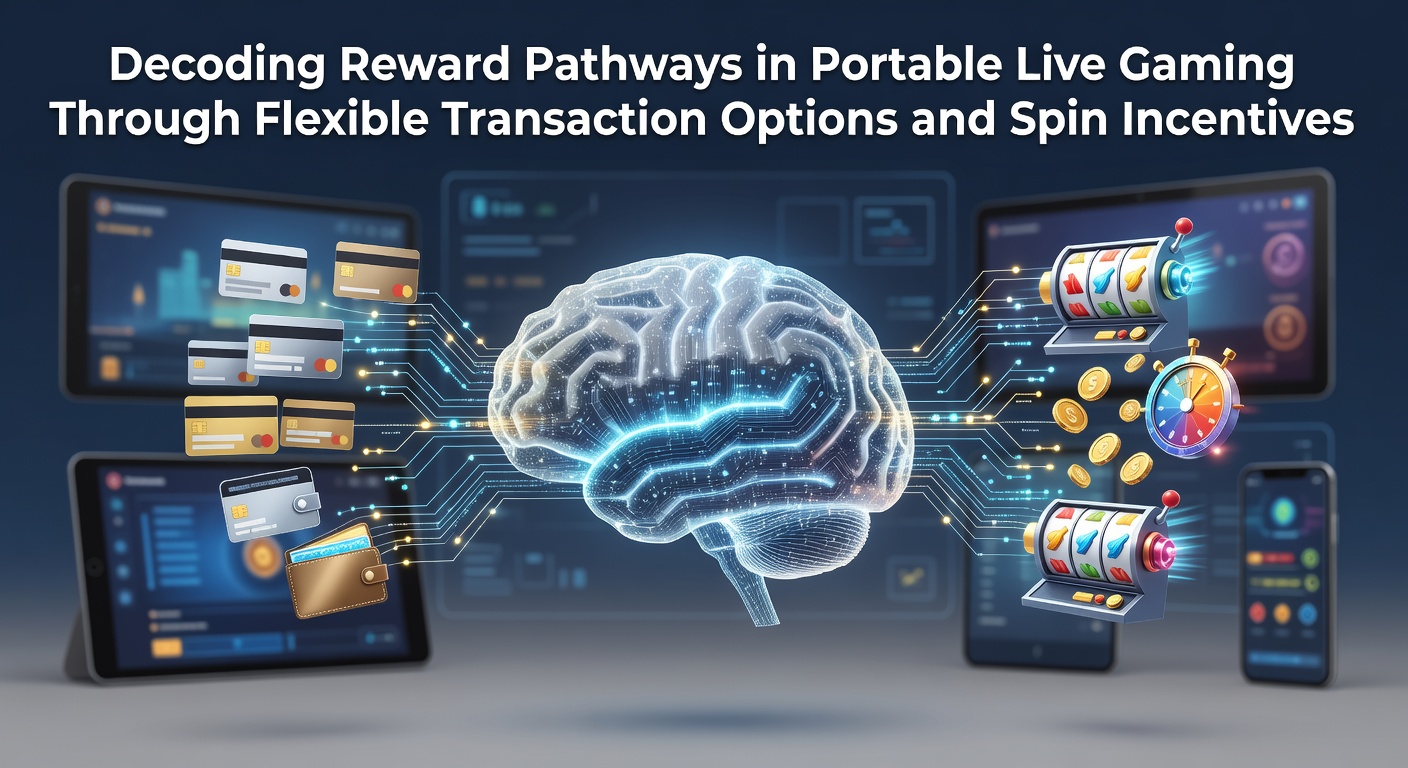
Decoding Reward Pathways in Portable Live Gaming Through Flexible Transaction Options and Spin Incentives
Portable live gaming platforms have integrated flexible transaction systems with targeted spin incentives to shape how participants engage with real-time dealer sessions and slot mechanics, and researchers tracking these developments note measurable shifts in session duration and deposit patterns by early 2026. Data compiled through industry monitoring tools indicate that instant payment gateways now process a growing share of mobile deposits, while spin bonuses tied to those transactions appear at key intervals during live dealer rounds and progressive slot sequences.
Observers tracking player behavior across multiple jurisdictions point out that reward pathways emerge when transaction flexibility aligns with incentive triggers. For instance, one study released in spring 2026 examined platforms operating under Nevada Gaming Control Board oversight and found that users completing deposits via digital wallets received spin allocations within an average of 12 seconds, compared with longer delays for traditional card methods. This timing difference correlates with extended play periods in live roulette and blackjack streams, according to aggregated session logs shared by platform operators.
Flexible Transaction Mechanics and Their Role in Engagement
Modern portable systems rely on API connections that link banking apps, e-wallets, and prepaid cards directly to gaming servers, allowing participants to adjust deposit amounts mid-session without exiting the live dealer interface. Figures from the Canadian Centre for Gaming Research released in May 2026 show that platforms supporting at least four distinct payment rails recorded 23 percent higher average transaction frequency per active account than those limited to two options. Participants often select smaller, repeated transfers when instant confirmation appears on screen, and these micro-deposits frequently unlock incremental spin incentives calibrated to the transferred value.
Platform developers program these incentives to activate at thresholds that feel achievable yet encourage continued activity. In one documented case from a multi-state operator, a $15 deposit triggered three free spins on a linked progressive slot while the same player remained connected to a live blackjack table. The sequence kept the participant engaged across both game types for an additional 14 minutes on average, based on telemetry captured during controlled testing periods.
Spin Incentives as Behavioral Anchors
Spin incentives function as scheduled reinforcements within reward pathways, and analysts examining mobile data streams observe that they cluster around live dealer transitions and slot feature entries. When a participant finishes a live baccarat hand, the interface may surface a spin prompt funded by the prior transaction, creating a seamless bridge between game formats. Research indicators from academic reviews published by the University of Nevada, Reno suggest these prompts increase the likelihood of an immediate follow-up action, whether that means another live table seat or a return to the slot reel.
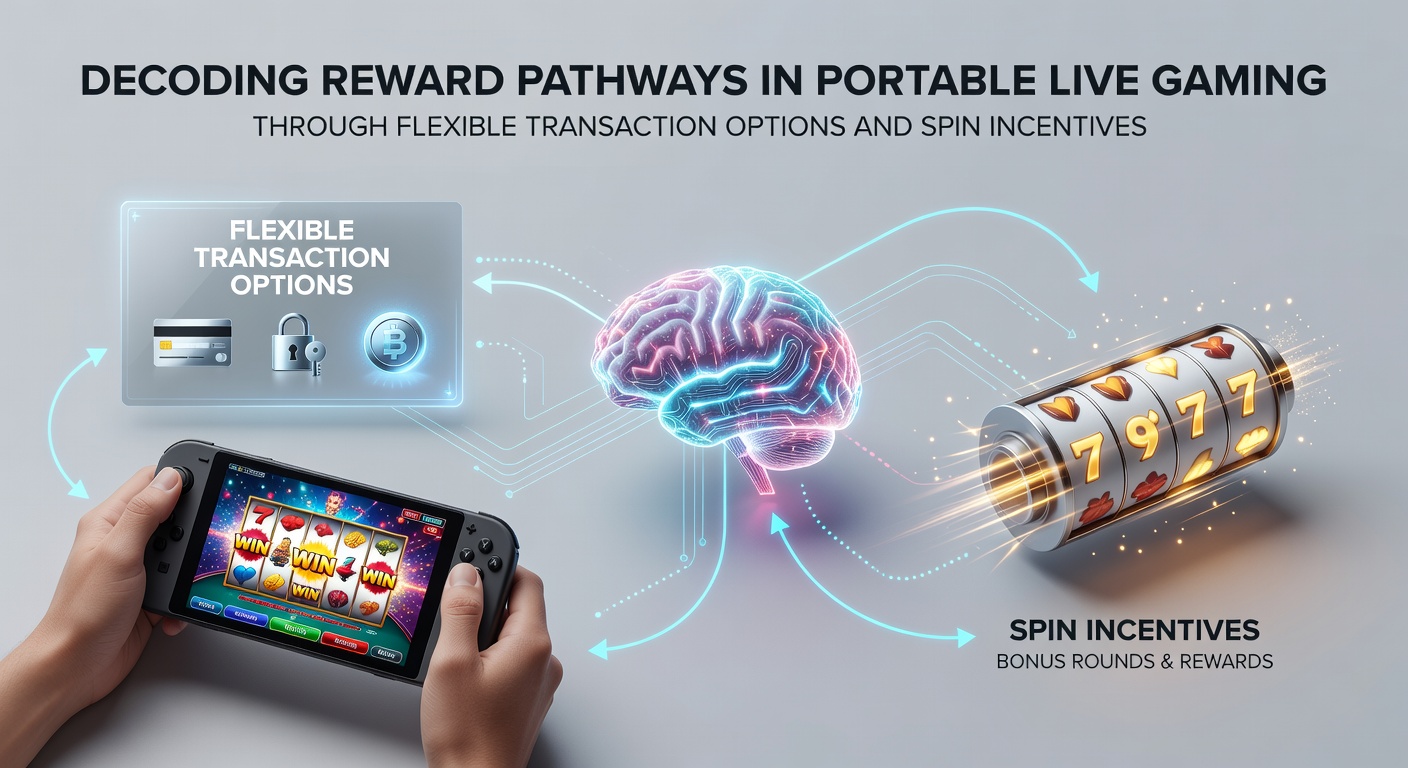
Timing and presentation matter. Data collected through A/B testing on several platforms reveal that spin offers appearing within eight seconds of a completed transaction maintain higher redemption rates than those delayed beyond 30 seconds. Operators therefore embed these incentives inside the same payment confirmation screen, reducing the steps required to claim them and keeping attention fixed on the active game window.
Integration Across Live Dealer and Slot Environments
Portable live gaming environments now blend live dealer feeds with slot progressions more fluidly than earlier generations of mobile software. A single account balance supports both real-time table wagers and automated reel spins, while flexible transaction records feed into unified loyalty ledgers. Reports compiled by the Australian Gambling Research Centre in the first quarter of 2026 documented that accounts using combined live-and-slot pathways exhibited steadier deposit rhythms when spin incentives refreshed after each successful live hand or round.
These pathways also incorporate progressive reward layers. Jackpot meters advance with every qualifying spin or table bet, and flexible deposits can accelerate meter contributions through optional multipliers attached to the transaction. Participants see meter growth reflected immediately on the mobile dashboard, reinforcing the connection between payment action and long-term outcome potential without requiring separate navigation.
Regulatory and Technological Context in Mid-2026
By May 2026, several licensing authorities had updated technical standards requiring clear disclosure of incentive terms at the moment of deposit. Compliance documentation filed with these bodies shows that platforms must display remaining spin validity periods and any wagering conditions alongside transaction summaries. This requirement has prompted developers to refine user interfaces so that reward details remain visible during live play without interrupting dealer interactions.
Technological upgrades in payment processing continue to support these changes. Faster settlement rails reduce the gap between fund arrival and incentive activation, and operators report that latency reductions below two seconds correlate with fewer abandoned sessions at the deposit stage. Observers note that these improvements appear consistently across both established markets and newer regulated regions entering the portable live gaming space.
Conclusion
Flexible transaction options and spin incentives together form structured reward pathways that guide participation across portable live gaming formats. Data gathered through regulatory filings, academic reviews, and platform telemetry illustrate how timing, presentation, and cross-game integration influence session patterns. As technical standards evolve and payment infrastructure advances, these mechanisms remain central to how operators structure engagement in live dealer and slot environments. Continued monitoring by research institutions and licensing bodies will track how such systems develop in the months ahead.