Device Shifts Among Players Chasing Multipliers in Multi-Provider Casino Networks
Written by Bianca Weber · Jun 29, 2026
Device Shifts Among Players Chasing Multipliers in Multi-Provider Casino Networks
Device transitions occur frequently among players who pursue multiplier features across casino platforms that integrate games from multiple providers, and data from recent industry reports shows these shifts often align with specific gameplay objectives rather than random habits. Players move between smartphones, tablets, and desktop computers to optimize access to bonus multipliers, reel expansions, and progressive elements that vary by interface size and provider integration. Research indicates that such movements increase during sessions focused on high-volatility titles where larger screens provide clearer visibility of multiplier triggers and stacked symbols.
Core Patterns in Platform Switching
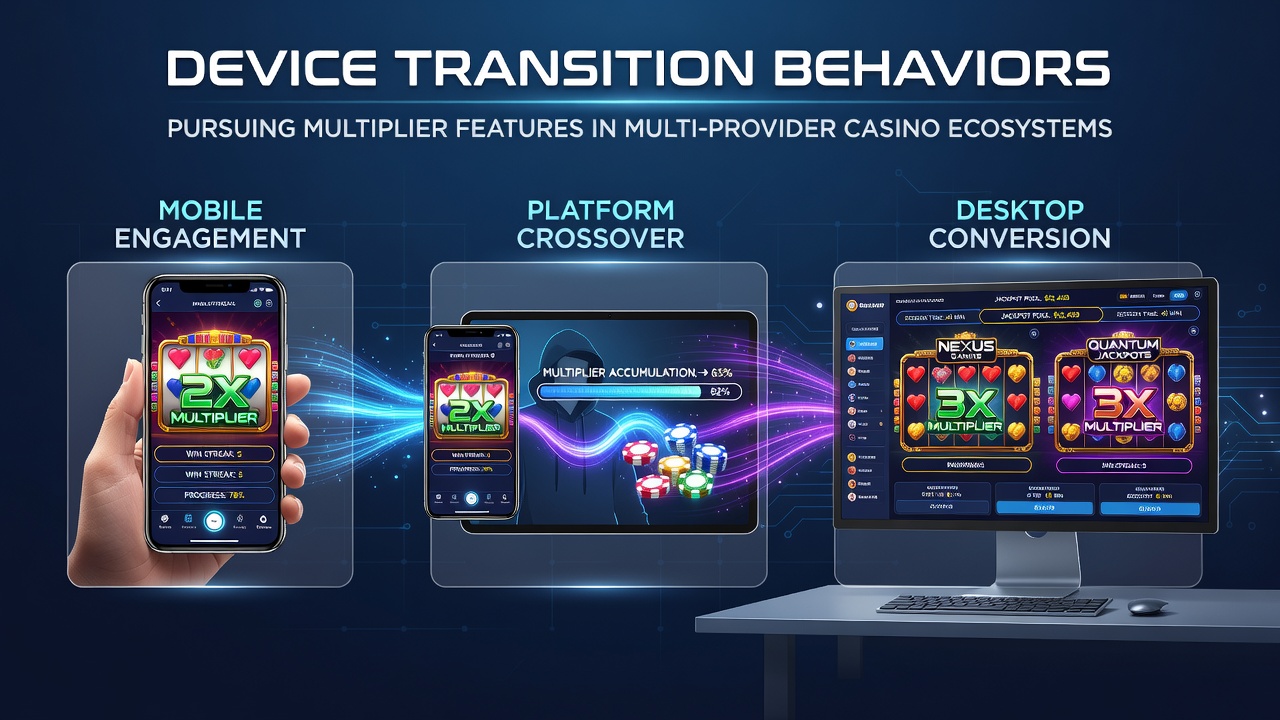
Observers note that many participants begin sessions on mobile devices for quick entry into live dealer environments or quick-spin slots, then transition to desktops when multiplier sequences require extended play or detailed tracking of accumulating rewards. This pattern emerges because mobile apps from multi-provider ecosystems often prioritize speed and portability, whereas desktop versions deliver enhanced graphics that highlight multiplier mechanics across different game studios. Figures from regulatory analyses in North America reveal that session durations extend by an average of 18 minutes following a device change when players target features like cascading wins or expanding wild multipliers.
Take one study conducted by university researchers in Australia that tracked user logs across three major casino operators, and teh results demonstrated clear spikes in tablet usage during evening hours when players sought to combine multipliers from separate providers within the same account dashboard. Those who've studied this know the transitions tend to cluster around specific events such as bonus round activations or when progressive jackpot meters reach visible thresholds that benefit from wider visual fields.
Provider Integration and Interface Demands
Multi-provider casino ecosystems bundle titles from various software developers, each bringing distinct multiplier systems that perform differently depending on the device in use. Experts have observed that players switch platforms to exploit these variations, for instance moving to a desktop when a provider's multiplier ladder demands precise timing or when another studio's feature requires simultaneous monitoring of multiple reels. Data shows these behaviors intensify in environments where cross-provider bonuses link multiplier values between games, creating incentives for players to maintain continuity across devices.
What's interesting is how geolocation tools and account synchronization features facilitate these transitions without disrupting ongoing multiplier progress, allowing seamless handoffs between portable and stationary interfaces. Reports from Canadian gaming authorities indicate that synchronized sessions rose notably in the first half of 2026, coinciding with updates to cross-device authentication protocols implemented by several large operators.
Timing and Frequency of Transitions
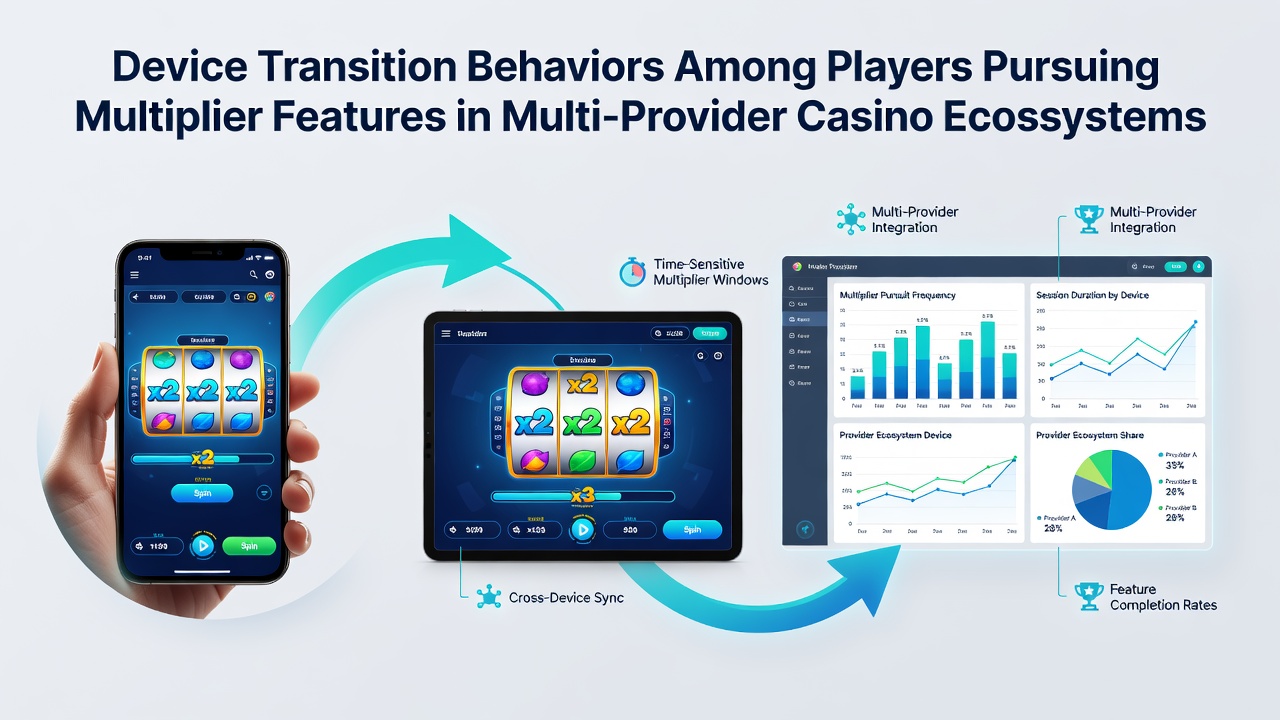
Engagement data collected through June 2026 points to distinct peaks in device changes around midday and late evening, periods when players often pursue layered multiplier opportunities that combine base game features with provider-specific enhancements. Those monitoring user behavior note that transitions happen more rapidly on weekdays, typically within 90 seconds of a multiplier opportunity appearing, whereas weekend shifts occur more deliberately as players compare options across multiple titles.
Industry organizations such as the American Gaming Association have compiled statistics showing that approximately 42 percent of tracked accounts exhibit at least one device switch per week when focused on multiplier-driven play. This figure rises among accounts that maintain active balances across five or more game providers, suggesting that ecosystem complexity directly correlates with transition frequency.
Influences on Player Choices
Screen resolution, touch responsiveness, and processing power all factor into decisions about when to switch devices, according to findings from European research institutions that analyzed session telemetry from multi-provider platforms. Players often move to desktops when pursuing multipliers that involve detailed probability calculations or when managing multiple open bonus rounds simultaneously, while mobile remains preferred for simpler spin-and-collect mechanics. Connectivity stability also plays a documented role, with data logs revealing higher transition rates during periods of fluctuating mobile signals.
One case examined by analysts in Singapore highlighted how players in multi-provider settings adjusted their device usage based on time-sensitive promotions that rewarded multiplier accumulation across different game libraries, resulting in measurable upticks in cross-device activity during promotional windows.
Conclusion
Device transition behaviors tied to multiplier pursuits continue to evolve alongside advances in platform integration and provider diversity, with patterns documented through regulatory reports, academic studies, and operational data up through mid-2026. These movements reflect practical responses to interface differences and feature accessibility rather than arbitrary preferences, and they remain measurable across various geographic markets. Continued tracking by industry bodies will likely refine understanding of how such behaviors interact with new multiplier designs and ecosystem expansions.