Geofencing Mechanisms and Their Influence on Prize Pool Accessibility Across Virtual Gaming Networks
Written by Dana Vogel · Jun 5, 2026
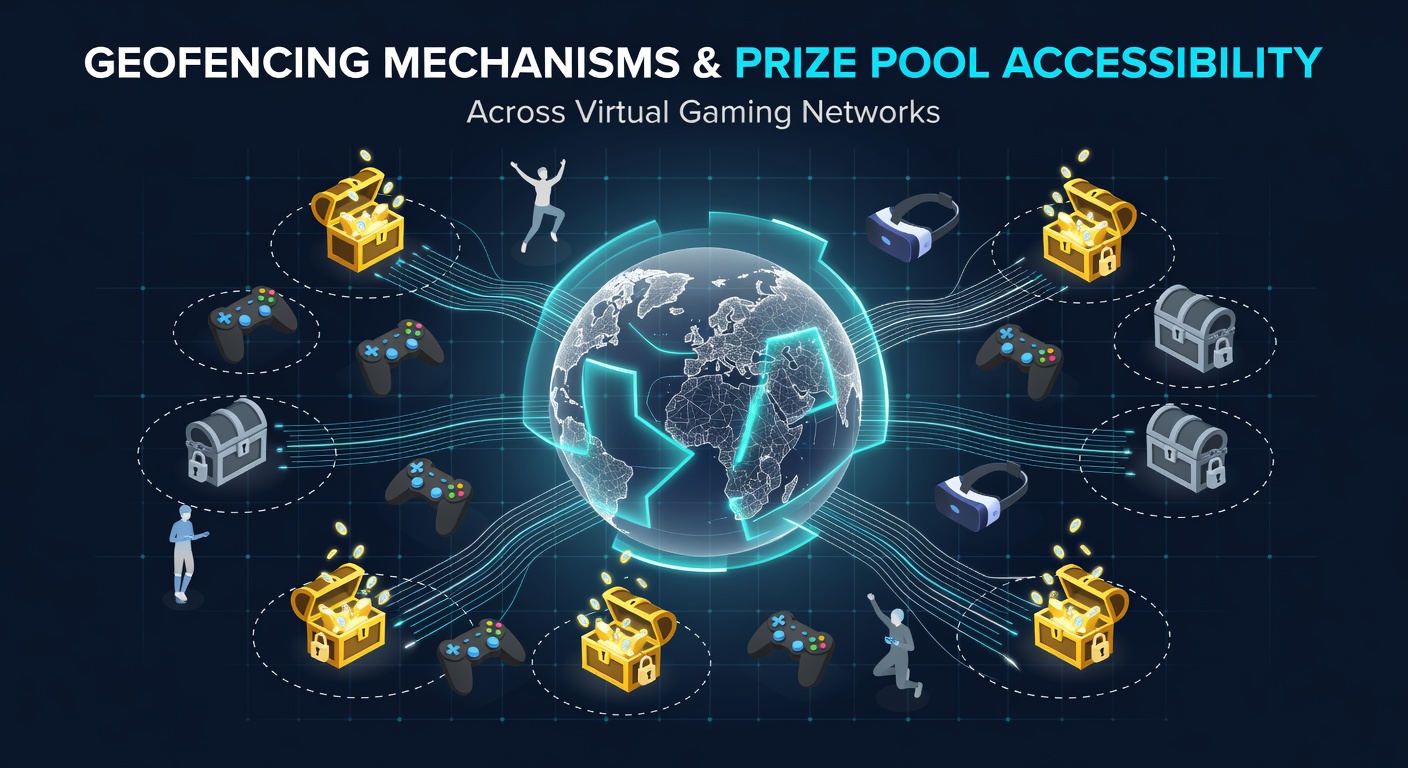
Geofencing Mechanisms and Their Influence on Prize Pool Accessibility Across Virtual Gaming Networks
Geofencing mechanisms rely on GPS, Wi-Fi, and cellular data to establish virtual perimeters that control user access to online platforms, and these systems have become central to how prize pools operate within virtual gaming networks because operators must comply with regional licensing rules while maintaining fair distribution of rewards. Virtual gaming networks encompass multiplayer environments where participants compete for cash prizes or digital assets, and location verification determines eligibility before any funds enter shared pools. Researchers have documented steady adoption of these tools since the mid-2010s, with platforms integrating geofencing at both account creation and transaction stages to prevent unauthorized entries.
Core Technology Behind Location Controls
Geofencing works by comparing a device’s real-time coordinates against predefined geographic coordinates stored in server-side databases, and when a user attempts to join a tournament or claim a share of a prize pool the system cross-checks the location data against approved jurisdictions. Multiple data points are evaluated simultaneously, including IP address ranges, cell tower triangulation, and device sensor readings, which creates layered verification that reduces spoofing attempts. Observers note that accuracy rates exceed 95 percent in urban areas according to industry testing, although rural zones sometimes experience signal drift that triggers secondary manual reviews.
Effects on Prize Pool Formation and Distribution
Prize pools in virtual gaming networks accumulate from entry fees, sponsorships, and operator contributions, yet geofencing directly shapes which players can contribute and withdraw. When a jurisdiction falls outside approved boundaries, participants cannot deposit funds or register for events, which narrows the contributor base and can slow pool growth rates. Data from network analytics platforms shows that regions with strict geofencing enforcement see 30 to 40 percent fewer active accounts during major seasonal tournaments compared with unrestricted zones. Those who study participation patterns have recorded corresponding drops in average prize values when large player populations are excluded by location filters.
Regulatory Drivers and Compliance Timelines
Government agencies across North America and the European Union require geofencing to enforce age restrictions, tax collection, and responsible gaming mandates, and operators must submit regular audit reports that include location logs. In June 2026 several Canadian provinces plan to roll out updated digital boundary maps that align with new interprovincial gaming agreements, which will expand accessible prize pools for residents while maintaining blocks on cross-border entries. Similar updates are under review in Australian states where state gaming authorities coordinate with federal digital services legislation. Industry organizations such as the Interactive Games and Entertainment Association have published compliance frameworks that help developers implement these changes without disrupting ongoing tournaments.
Take one mid-sized esports organizer that adjusted its geofencing parameters ahead of a 2025 global championship, and the result was a 22 percent increase in verified participants from previously restricted European territories once new EU-aligned coordinates were applied. Such adjustments illustrate how precise boundary management can unlock additional prize contributions while preserving legal standing.
Technical Challenges and Mitigation Strategies
Signal interference, VPN usage, and device location spoofing present ongoing hurdles, and operators respond with behavioral analytics that flag suspicious patterns such as sudden coordinate jumps or mismatched time zones. When anomalies appear the system may require additional verification steps like video identity checks or temporary account holds. Research indicates that combining geofencing with device fingerprinting reduces successful circumvention attempts by more than half, according to findings shared by academic groups studying digital trust systems. Network administrators also maintain dynamic boundary lists that update automatically when new legislation takes effect, which prevents outdated restrictions from lingering.
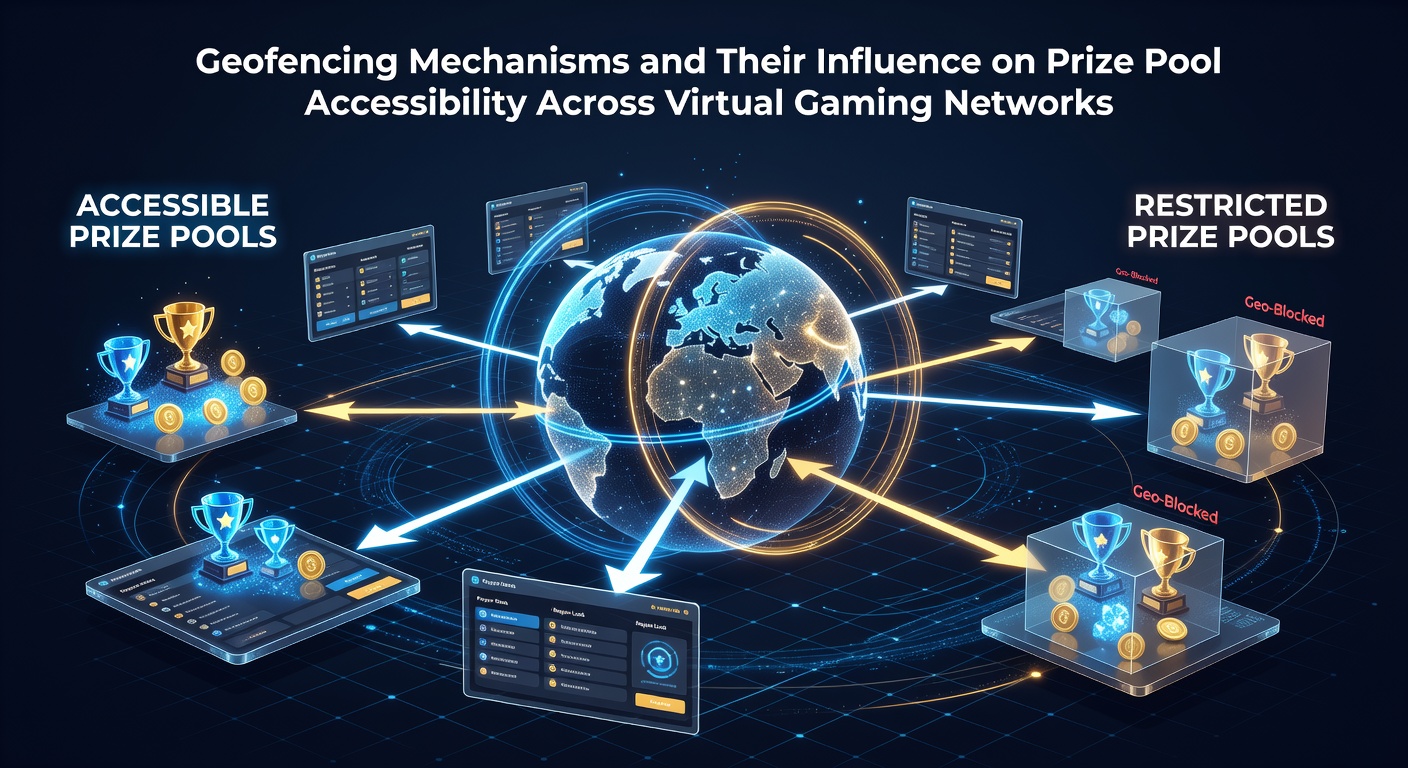
Virtual gaming networks that span multiple continents face added complexity because time zone differences and daylight saving transitions can shift apparent device locations relative to server clocks. Engineers therefore incorporate UTC-based timestamps alongside geographic data to maintain consistency across global user bases.
Case Examples from Established Platforms
One North American tournament network implemented geofencing at the state level in 2024, and subsequent reports showed that prize pools for weekly events grew by an average of 18 percent once players from newly approved states gained entry. In contrast, platforms operating under stricter national controls in parts of Asia recorded slower pool accumulation because entire provinces remained outside permitted zones. Those who track player retention data have observed that transparent communication about geofencing boundaries correlates with higher re-engagement rates after temporary access blocks are lifted.
Emerging Standards and 2026 Outlook
Standards bodies are developing unified protocols for geofencing data exchange that would allow operators to share verified location tokens across networks without exposing raw user coordinates. As June 2026 approaches, several trade groups are preparing joint pilot programs that test these protocols in live environments, with expected outcomes including faster cross-jurisdiction prize transfers and reduced duplicate verification steps. Reports from research institutions such as those affiliated with state legislative tracking services suggest that standardized approaches could expand accessible prize pools by an estimated 15 percent in participating regions within the first year of adoption.
Conclusion
Geofencing mechanisms continue to shape prize pool accessibility by enforcing location-based eligibility rules across virtual gaming networks, and their influence extends from initial registration through final reward distribution. Technical refinements, regulatory updates scheduled for June 2026, and collaborative industry standards together determine how broadly prize contributions can flow while remaining within legal boundaries. Observers tracking these developments note that ongoing adjustments in boundary definitions and verification methods will remain central to the operational landscape of virtual competitions.