How Funding Routes Connect to Incentive Access in App-Driven Progressive and Interactive Gaming Spaces
Written by Dana Vogel · Jun 8, 2026
How Funding Routes Connect to Incentive Access in App-Driven Progressive and Interactive Gaming Spaces
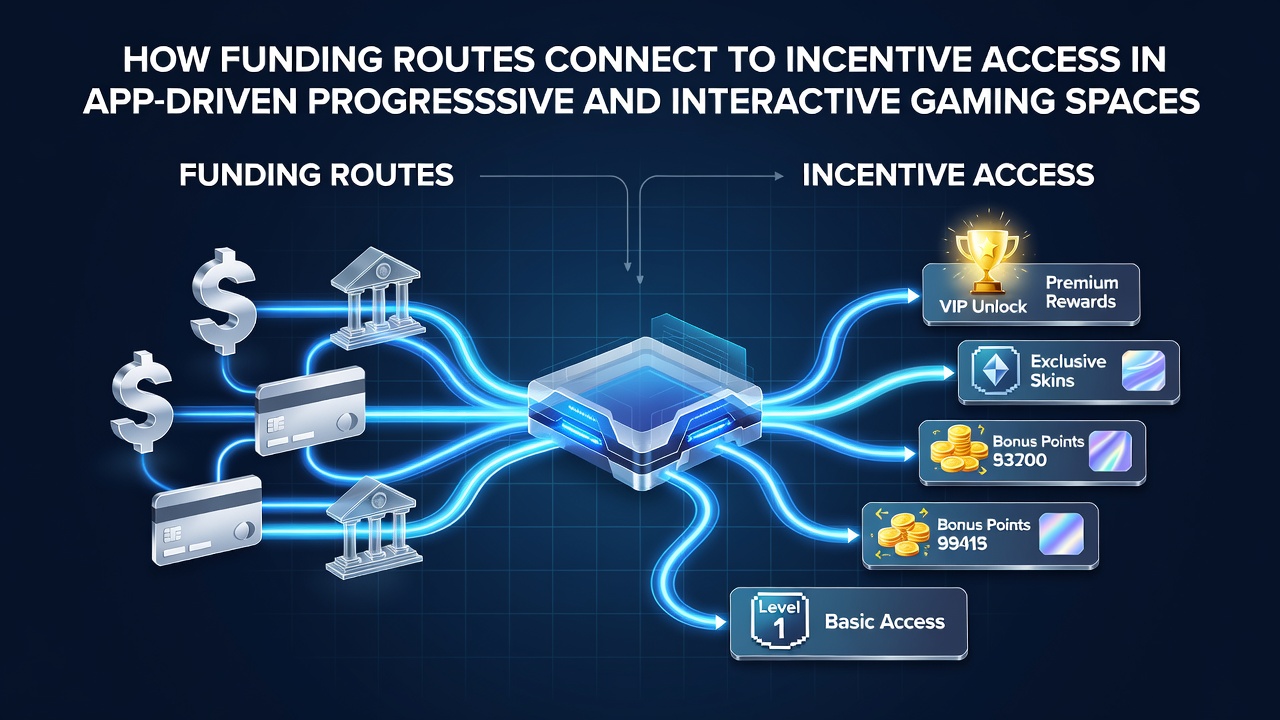
App-driven progressive gaming spaces rely on various funding routes that determine how users gain access to incentives such as unlockable content, tiered rewards, and accumulative progression features. Payment methods including direct carrier billing, digital wallets, and bank transfers shape the speed and availability of these incentives in interactive mobile environments where real-time updates track player engagement across sessions.
Payment Integration Patterns in Mobile Platforms
Developers integrate multiple funding options into gaming applications so that players can select routes aligned with their preferences and regional availability. Data from industry reports indicates that seamless connections between chosen payment methods and reward systems reduce friction during transactions, allowing incentives like experience multipliers or exclusive item drops to activate without delays. Those who study user behavior note that platforms supporting instant verification through certain digital channels often see higher rates of repeated incentive redemptions compared to slower authorization processes.
Regional variations play a role as well since regulatory frameworks in different countries influence which funding routes receive approval for gaming transactions. In Canada, provincial oversight bodies track how payment integrations affect access to progressive features in entertainment software, while Australian authorities monitor similar patterns through digital content guidelines. Observers note that these differences create distinct ecosystems where incentive access depends partly on the compatibility of local banking systems with app-based processors.
Progressive Systems and Reward Pathways
Interactive gaming applications employ layered progression mechanics that tie funding activity directly to incentive tiers. Players advance through levels by completing tasks or making deposits that unlock cumulative benefits, and the chosen funding route can determine whether those benefits apply immediately or require additional confirmation steps. Research indicates that applications using automated reconciliation between payments and reward ledgers maintain consistent engagement metrics across diverse user bases.
Case examples from major studios show that when funding routes incorporate built-in loyalty tracking, users receive tailored incentives based on transaction history. This linkage appears in battle pass systems and seasonal events where deposit frequency correlates with bonus allocation rates. Experts have observed that such designs encourage sustained participation without altering core gameplay loops.
Data Trends and Access Dynamics Through June 2026
Figures released in early 2026 highlight shifts in how funding routes influence incentive redemption volumes in progressive gaming titles. Platforms that expanded support for multiple wallet options recorded measurable increases in users accessing time-limited rewards during peak periods. Those monitoring these patterns point to improved API connections between payment gateways and game servers as a contributing factor in smoother incentive delivery.
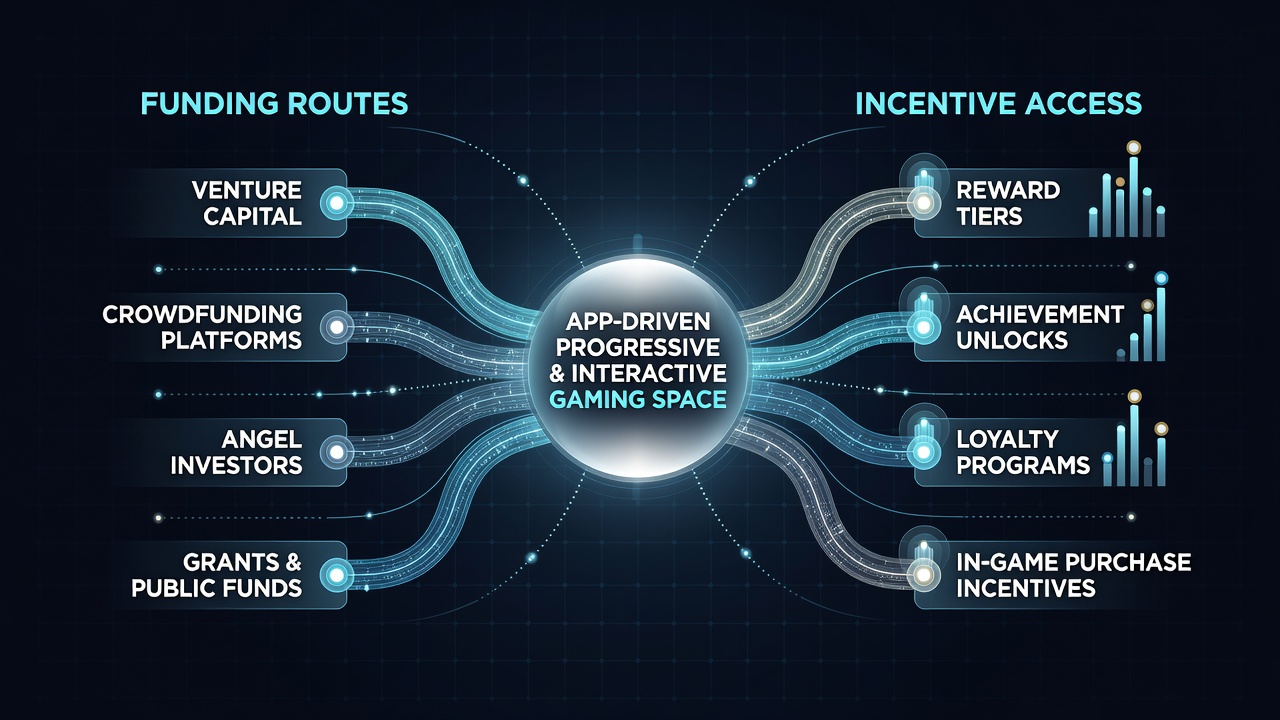
By June 2026, several markets plan to introduce updated compliance standards for digital transactions in entertainment apps, which may further standardize how funding routes interface with reward systems. European regulatory updates emphasize transparency in incentive structures tied to payments, whereas North American developers focus on expanding cross-platform compatibility. These changes build on existing data that links efficient payment processing to elevated participation in accumulative features.
Technical Frameworks Supporting Incentive Linkages
Backend architectures in gaming apps use secure tokenization and real-time ledgers to map funding routes onto incentive eligibility. When a transaction completes through an approved channel, the system automatically updates player profiles to grant corresponding rewards. Studies from academic sources on digital economies reveal that robust encryption standards maintain trust while enabling rapid access to progressive elements.
Interoperability between different payment providers and game engines reduces instances where users encounter barriers to incentive claims. Developers who prioritize these integrations report steadier user retention figures across quarterly reviews. The reality is that technical choices made at the funding layer directly affect the visibility and usability of reward pathways within the application environment.
Conclusion
Connections between funding routes and incentive access continue to evolve as mobile platforms refine their payment ecosystems and progressive mechanics. Available data through mid-2026 underscores the role of efficient transaction processing in supporting consistent reward delivery across interactive gaming spaces. Regulatory developments in multiple regions further shape these linkages without altering the fundamental relationship between payment selection and user progression opportunities.