How International Licensing Differences Reshape Bonus Structures for Card-Based and Slot Games on Certified Platforms
Written by Dana Vogel · Aug 3, 2026
How International Licensing Differences Reshape Bonus Structures for Card-Based and Slot Games on Certified Platforms
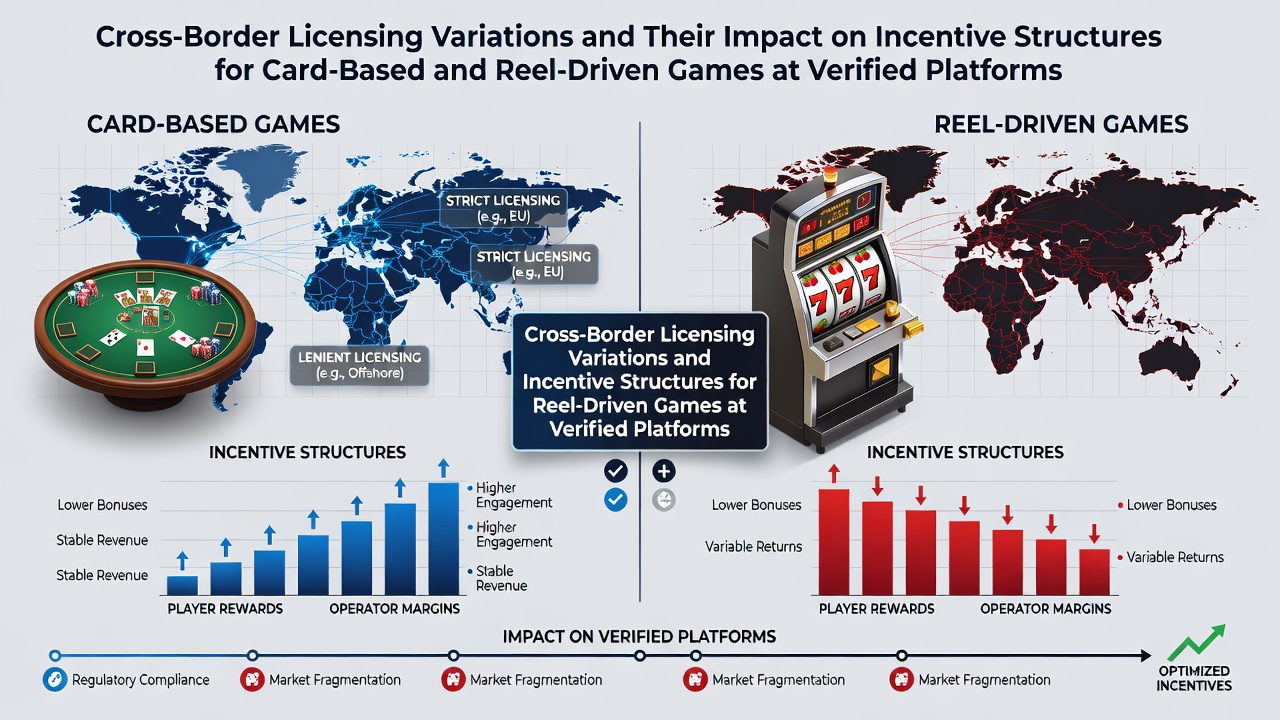
Regulatory frameworks for online gaming differ sharply from one jurisdiction to the next, and those differences directly shape the incentive structures that operators can offer on card-based games such as blackjack and poker alongside reel-driven titles like video slots at verified platforms. Licensing bodies set distinct rules on bonus percentages, wagering requirements, and eligible game categories, forcing platforms to adjust reward programs when users cross virtual borders.
Regional Licensing Frameworks and Their Core Requirements
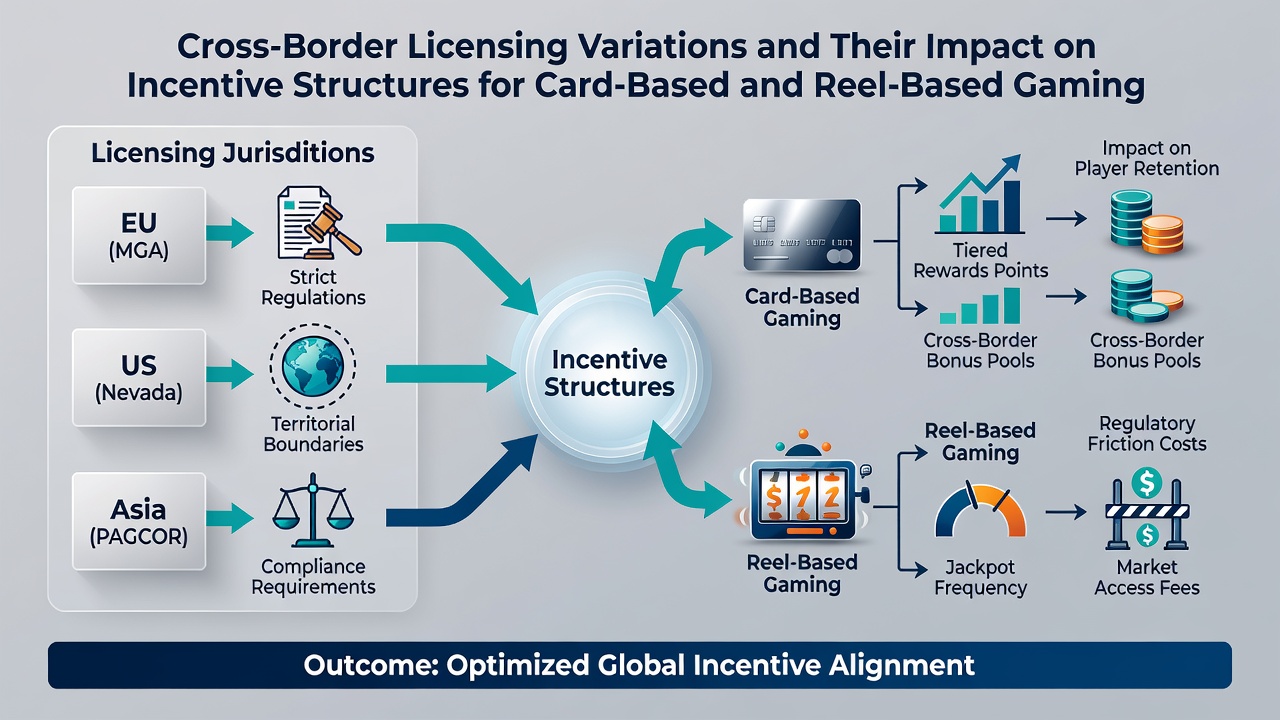
European jurisdictions maintain separate standards even within the single market, with some authorities capping welcome bonuses at 100 percent of the first deposit while others permit higher percentages provided the operator maintains a local license. In contrast, certain Asian markets require operators to tie all promotional funds to verified identity checks before any card game or slot can receive bonus credits. North American states that have legalized online play often impose revenue-share models that indirectly limit the size of loyalty rewards available on progressive jackpot slots.
Those who have examined licensing documents note that verification procedures also vary, and platforms must therefore maintain separate player accounts or segmented wallets to comply with each territory’s rules. Data from the European Commission study on online gambling indicates that operators serving multiple member states reduced average bonus values by 18 percent between 2023 and 2025 to stay within tightening caps.
Effects on Card-Based Game Incentives
Card-based titles face particular scrutiny because regulators often classify them as skill-influenced, which leads to tighter controls on cashback offers and tournament entry rewards. In markets where live dealer tables fall under the same license as slots, platforms sometimes allocate higher bonus percentages to table games to offset lower house edges, yet cross-border players may find those same offers restricted once they access the site from a jurisdiction with stricter skill-game rules. Observers note that poker networks have responded by creating region-specific leaderboards that award points only within the licensed territory, preventing users from combining rewards across borders.
Reel-Driven Game Rewards and Cross-Border Adjustments
Reel-driven games encounter different constraints, particularly around return-to-player percentages and free-spin allocations. Several jurisdictions now require that any free spins awarded as part of a welcome package must carry the same RTP as the base game, a rule that became more widespread after updates finalized in early 2025. Platforms operating across borders therefore program their slot libraries to display region-specific RTP values and bonus terms, a process that relies on geolocation technology to deliver compliant incentives. Research indicates that such adjustments have produced measurable shifts in player engagement, with verified platforms reporting higher redemption rates for free spins when the terms align with the user’s home licensing rules.
Platform Compliance Strategies in 2026
By August 2026 several operators had implemented dynamic bonus engines that recalculate available rewards in real time based on the player’s detected location and the corresponding license requirements. These systems rely on API connections to regulatory databases so that a user switching from a European account to an Australian one sees an immediate change in eligible card-game cashback percentages and slot free-spin quantities. Figures from the Australian Communications and Media Authority annual report show that such automated compliance tools reduced regulatory breaches by 27 percent in the twelve months ending June 2026.
Platforms also maintain separate marketing calendars, ensuring that progressive jackpot contributions and loyalty tier benefits remain within the limits set by each licensing body. The result is a patchwork of incentive structures where the same verified platform can offer markedly different bonus paths depending on the user’s jurisdiction, yet still operate under a single brand umbrella.
Conclusion
Cross-border licensing variations continue to drive segmentation of incentive structures for both card-based and reel-driven games at verified platforms. Operators that successfully integrate location-aware compliance tools maintain access to multiple markets while meeting each jurisdiction’s distinct rules on bonuses and rewards. As regulatory updates roll out through 2026 and beyond, the ability to adjust card-game cashback and slot promotions dynamically remains central to sustained platform operations across international borders.