How Secure Transaction Systems Influence Player Preferences in Reward-Driven Digital Entertainment Platforms
Written by Parker Roth · Jul 8, 2026
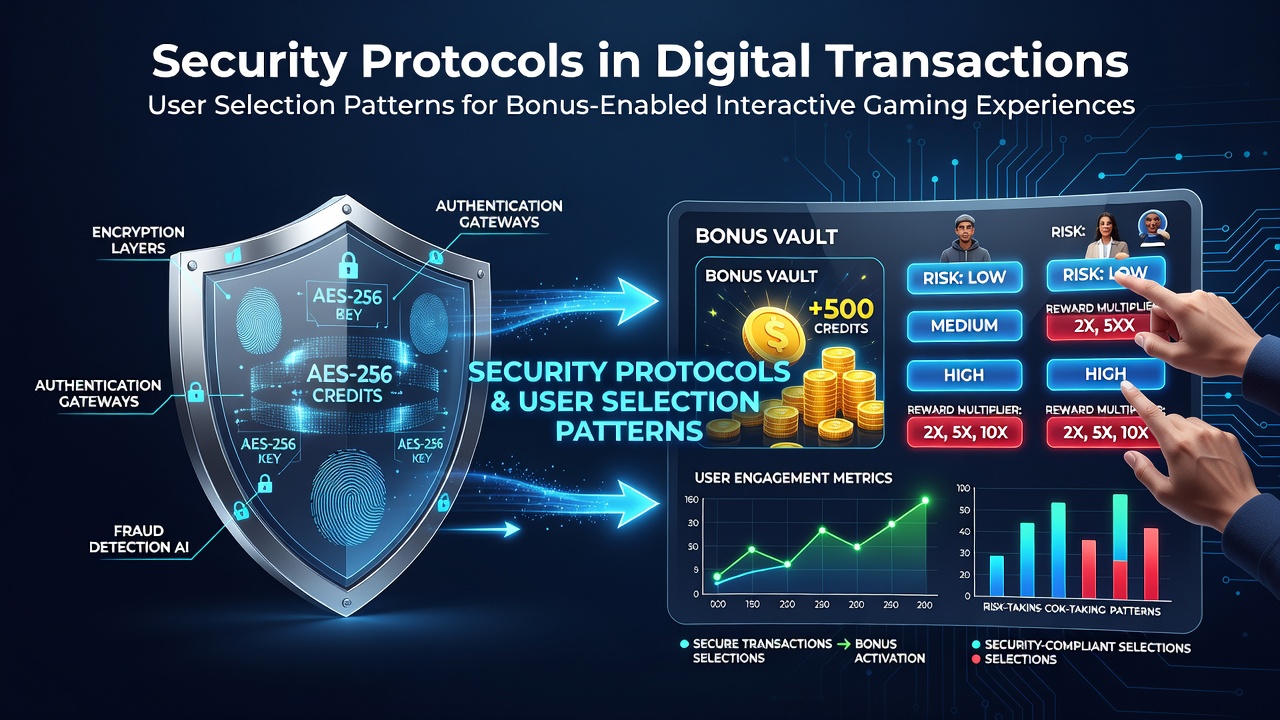
How Secure Transaction Systems Influence Player Preferences in Reward-Driven Digital Entertainment Platforms
Security protocols form the backbone of every digital transaction in interactive gaming platforms, where encryption standards and authentication layers work together to safeguard user data during deposits, withdrawals, and bonus activations. These measures include TLS 1.3 protocols alongside tokenization techniques that replace sensitive card details with unique identifiers, reducing exposure points across mobile and desktop sessions. Researchers at institutions tracking payment security note that platforms adopting multi-factor verification see higher completion rates for initial funding steps, which in turn shapes how users approach bonus-enabled game selections.
Core Components of Transaction Security
PCI DSS compliance requirements drive many operators to implement end-to-end encryption and regular penetration testing, while biometric options such as fingerprint or facial recognition add another verification tier that limits unauthorized access. Data from regulatory filings in multiple jurisdictions shows that systems incorporating real-time fraud detection algorithms flag suspicious patterns before they affect reward redemptions. Those who study these frameworks observe that seamless yet secure flows encourage repeat engagement with progressive jackpot titles and live dealer tables that tie bonuses to specific deposit methods.
Patterns in User Bonus Selections
Players gravitate toward platforms where transaction security feels transparent because visible indicators like padlock icons and verified payment badges build confidence during the bonus claim process. Studies examining selection behaviors reveal correlations between authentication speed and the types of incentives chosen, with quicker verified transfers often leading to selections of free spin packages rather than cashback offers that require longer holding periods. In July 2026 several North American operators plan to roll out updated verification modules that integrate device fingerprinting, which analysts expect will further streamline how users navigate reward menus without increasing drop-off rates at the funding stage.
One case involved operators in Ontario who linked stricter KYC procedures to measurable shifts in bonus uptake, where users completed identity checks earlier and then selected higher-value deposit matches at greater frequency. Similar trends appear in Australian markets, where Australian Communications and Media Authority reports document how secure payment gateways correlate with sustained participation in reel-based games featuring accumulative rewards.
Technical Standards and Behavioral Links
Tokenization paired with dynamic CVV generation prevents stored credential reuse across sessions, yet these same features allow platforms to pre-populate verified payment options that speed bonus activation. Observers tracking user flows note that when authentication occurs within two seconds, participants more readily explore bonus-enabled interactive experiences such as themed slot tournaments or live-hosted blackjack variants. Evidence from industry audits indicates that platforms failing to meet updated encryption benchmarks experience measurable declines in deposit-linked reward selections compared with compliant competitors.
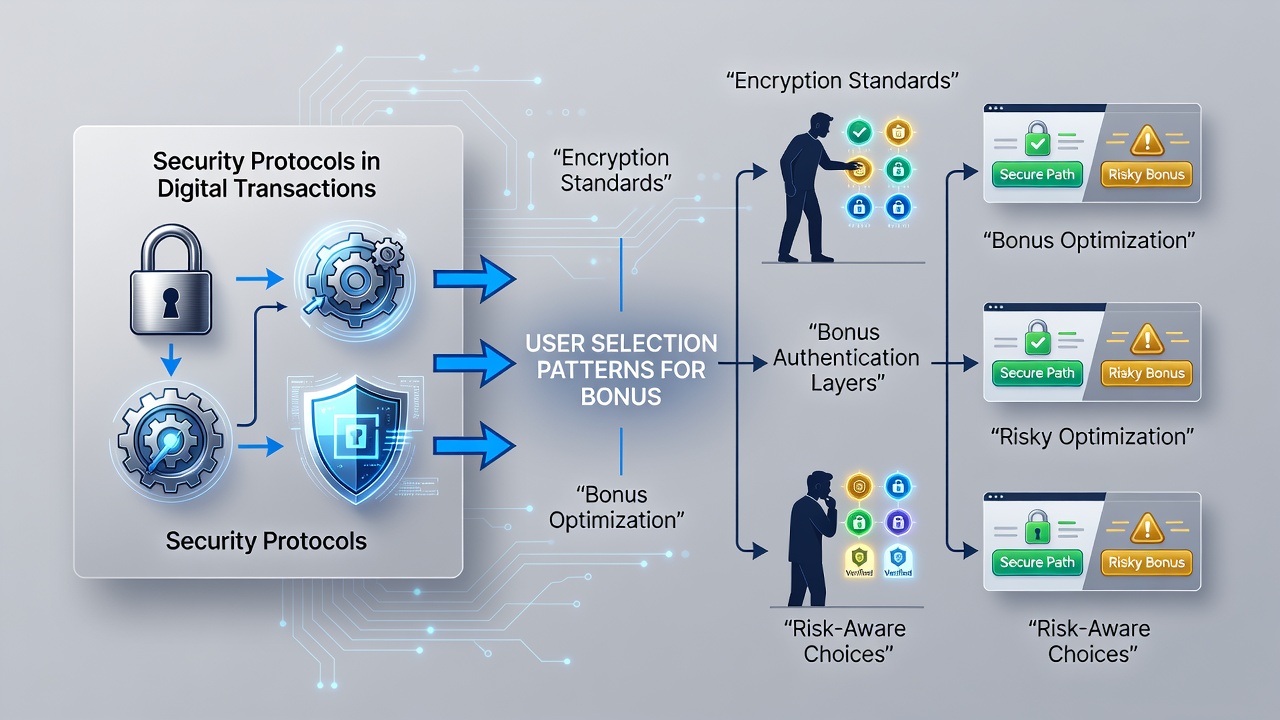
Geographic differences also emerge when comparing adoption rates. European operators following updated eIDAS standards report steadier engagement curves around bonus features, while certain Canadian provincial frameworks emphasize real-time transaction monitoring that ties directly to reward eligibility. Alcohol and Gaming Commission of Ontario documentation highlights how verified funding routes influence the frequency with which players redeem layered promotions attached to high-RTP titles.
Future Developments and Integration
Quantum-resistant algorithms are entering testing phases at several major providers, with pilot programs scheduled through late 2026 that aim to future-proof transaction integrity without disrupting bonus redemption interfaces. Those monitoring pilot data note that early results show minimal friction during the transition, allowing users to maintain existing patterns when choosing between welcome packages and ongoing loyalty incentives. Integration of these advanced protocols with existing live gaming ecosystems appears to support continued growth in mobile participation where deposit method directly determines available spin multipliers.
Conclusion
Security protocols in digital transactions continue to intersect with user selection patterns by establishing trust thresholds that guide bonus exploration across interactive gaming formats. As verification technologies evolve, platforms that maintain transparent, rapid authentication processes tend to sustain higher engagement levels with reward features tied to specific funding choices. Ongoing regulatory updates scheduled around mid-2026 will likely refine these connections further, shaping how participants navigate incentive structures within secure environments.