Mapping Payment Pathways in Mobile Gaming Apps and Their Role in Shaping Prize Accumulation and Table Access
Written by Dana Vogel · Jul 27, 2026
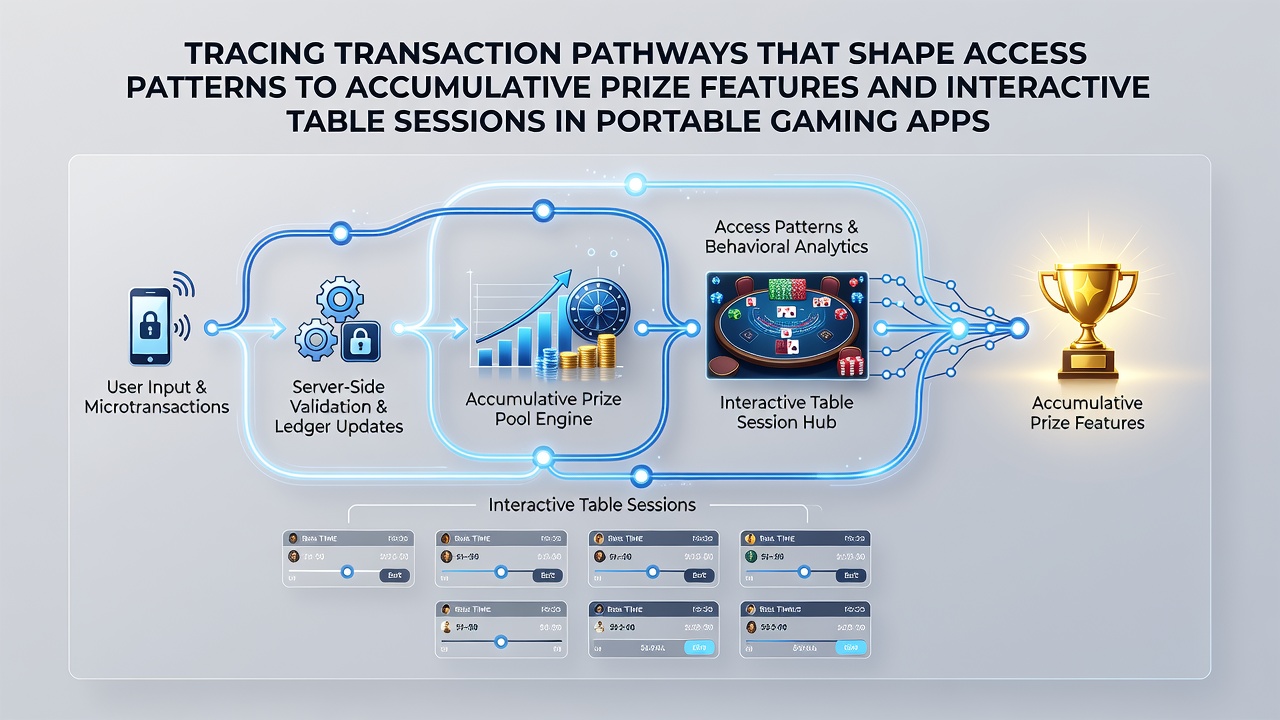
Mapping Payment Pathways in Mobile Gaming Apps and Their Role in Shaping Prize Accumulation and Table Access
Payment routes in portable gaming applications determine how users reach accumulative prize pools and join interactive table sessions, with data from industry reports indicating that transaction speed and method directly influence participation rates across these features. Researchers at institutions tracking digital entertainment have documented how deposit options such as digital wallets, bank transfers, and card payments create distinct patterns in reward access, particularly in apps that combine reel-based incentives with live-hosted tables.
Transaction Routes and Their Connection to Prize Features
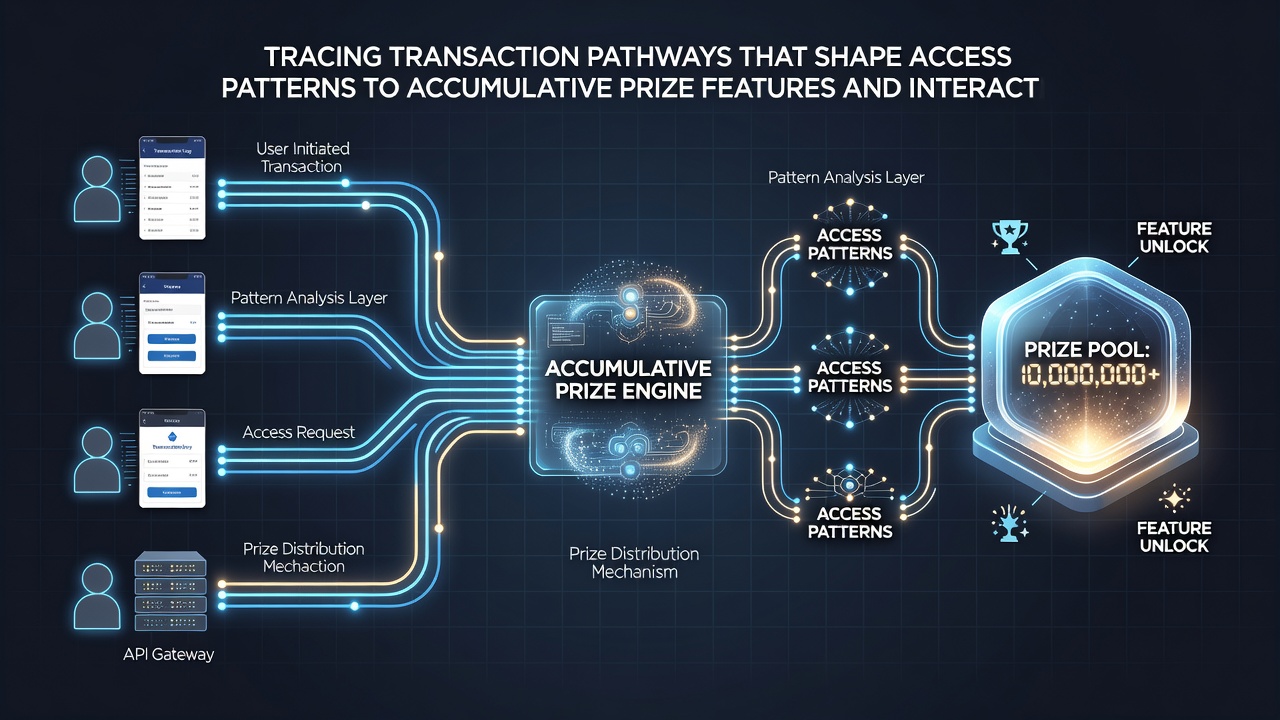
Studies from regulatory bodies in multiple regions reveal that users who complete instant transfers often gain earlier entry to accumulative prize systems compared with those relying on standard processing times, while figures from the New Jersey Division of Gaming Enforcement show steady growth in mobile transaction volumes through 2025. These pathways matter because accumulative prizes require consistent engagement, and delays in funding can limit the number of qualifying spins or table entries a player records within a given period.
Observers note that apps integrating multiple funding methods report higher retention when players select options that align with their preferred reward timelines. Data indicates that seamless connections between deposits and bonus triggers increase the frequency of interactions with progressive elements, although the exact mechanisms vary by platform architecture and regional compliance rules.
Interactive Table Sessions and Funding Influences
Interactive table sessions in mobile environments depend on real-time account balances that reflect completed transactions, and analysts from the Canadian Gaming Association have tracked how varied payment routes affect session duration and table selection. Players using faster verification processes tend to join hosted tables sooner, whereas slower routes correlate with shorter initial engagements before additional funding occurs.
What's interesting is the way these patterns intersect with accumulative prize eligibility, since many apps tie table play to prize pool contributions through specific transaction types. Evidence from academic reviews of digital gaming behavior suggests that users who combine instant funding with table participation accumulate points toward shared rewards at accelerated rates, creating measurable differences in overall access patterns across user segments.
Regional Data and July 2026 Developments
Reports compiled ahead of regulatory updates scheduled for July 2026 in several jurisdictions highlight ongoing adjustments to transaction reporting standards that could further clarify how payment pathways shape prize and table access. These changes build on existing frameworks already in place in places such as Australia, where the Australian Communications and Media Authority monitors mobile gaming compliance and publishes aggregated transaction statistics.
One study released through university partnerships examined transaction logs from multiple apps and found that users routing funds through integrated wallet systems showed more consistent access to both accumulative features and live tables over extended periods. The findings align with broader industry observations that link funding flexibility to sustained engagement without specifying individual platform performance.
Patterns Across User Groups
Those who've examined large datasets note distinct behaviors among different user cohorts, with frequent mobile players demonstrating stronger correlations between transaction choice and reward accumulation than occasional participants. Interactive sessions often serve as gateways to prize features when payment routes allow immediate balance updates, and research indicates this dynamic holds across various app designs that combine live elements with progressive mechanics.
But here's the thing: the relationship is not uniform, since platform-specific rules and regional restrictions continue to shape outcomes even when underlying transaction technologies remain similar. Data from trade organizations shows continued evolution in how apps present funding options to users, with some emphasizing speed for table entry while others prioritize verification for prize eligibility tracking.
Conclusion
Transaction pathways continue to define access patterns to accumulative prize features and interactive table sessions in portable gaming apps, supported by data from regulatory agencies, academic sources, and industry monitoring groups. As updates approach in July 2026, further documentation of these connections will likely refine understanding of how funding routes influence participation across mobile environments.