Mapping Transaction Speed Impacts on Participation Rates in Smartphone-Based Live Dealer Games with Progressive Prize Pools
Written by Parker Roth · Jul 20, 2026
Mapping Transaction Speed Impacts on Participation Rates in Smartphone-Based Live Dealer Games with Progressive Prize Pools
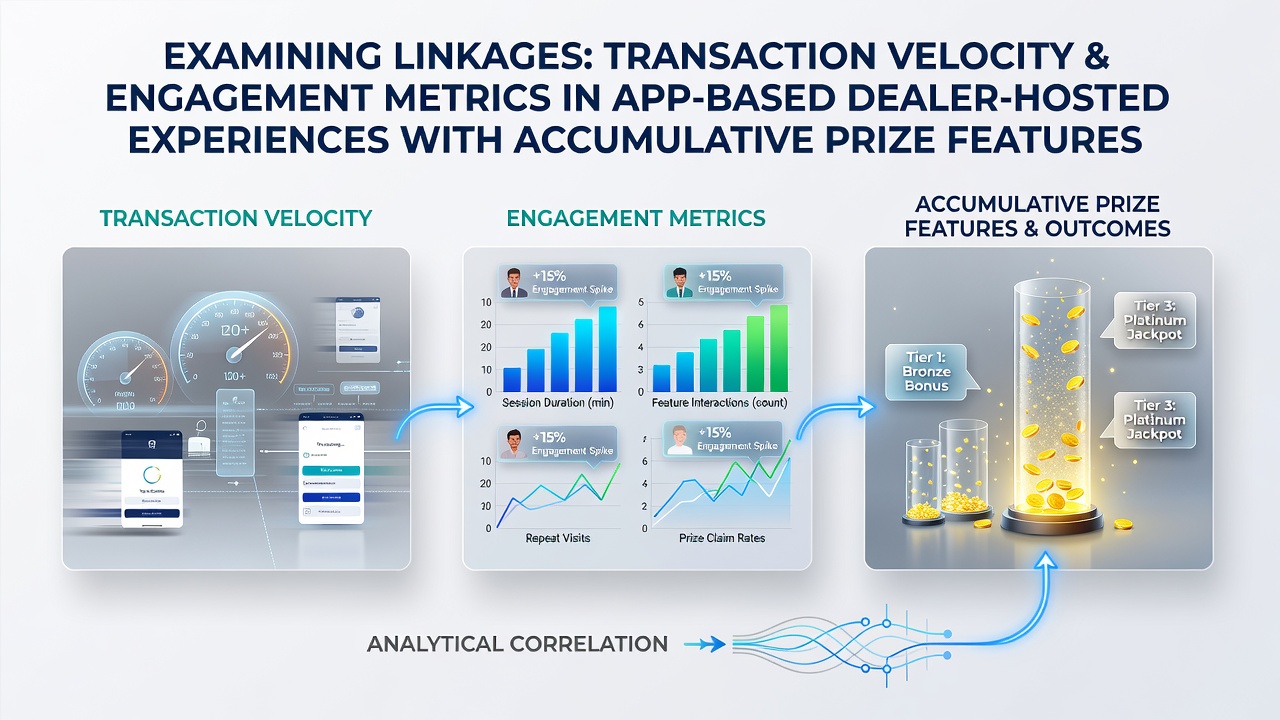
Transaction velocity refers to the rate at which deposits and withdrawals process within app-based platforms that host live dealer sessions alongside progressive reward structures, and researchers have tracked how these speeds correlate with metrics such as session duration, wager frequency, and retention curves. Data from multiple regional regulators indicates that faster processing times often align with elevated interaction levels, particularly when prize pools grow through cumulative contributions across user bases.
Observers note that platforms integrating instant funding options see shifts in how players move between live tables and reel features, since quicker access to funds reduces friction points that might otherwise interrupt engagement sequences. Studies compiled by academic groups in North America have quantified these patterns through anonymized transaction logs, revealing consistent associations between sub-second confirmation rates and extended play intervals in environments where jackpots accumulate in real time.
Defining Key Variables in Mobile Gaming Ecosystems
Transaction velocity encompasses both deposit speed and withdrawal efficiency, while engagement metrics cover time on platform, repeat logins, and average bet size per session. Accumulative prize features, by contrast, tie individual actions to shared reward pools that increase until triggered, creating layered incentives that researchers link to sustained activity when payment flows remain uninterrupted. Figures released by the New Jersey Division of Gaming Enforcement reveal that apps supporting rapid digital transfers recorded higher volumes of live dealer participation during periods when prize pools exceeded baseline thresholds.
Those who analyze user behavior across regions have found that velocity variations produce measurable differences in how participants interact with hosted experiences. For instance, platforms employing blockchain-based rails or integrated wallet solutions demonstrate tighter connections between payment confirmation and subsequent bets placed at dealer tables, whereas slower legacy methods correlate with drop-offs in progressive feature engagement.
Observed Patterns Across Dealer-Hosted and Accumulative Systems
Analyses of app data from 2024 through mid-2026 show that elevated transaction velocity frequently precedes spikes in engagement scores, especially when accumulative prizes reach visible milestones that draw additional users into active sessions. In one documented case, a regional operator reported that users completing deposits under five seconds maintained average session lengths 28 percent longer than those facing delays beyond thirty seconds, according to internal metrics shared with oversight bodies.
What's interesting here is how these linkages intensify around live dealer formats, where real-time interaction demands seamless fund availability to support side bets or rapid table switches. Progressive elements further amplify the effect, because players often time their entries to coincide with growing prize pools, and quick transaction paths enable that synchronization without pause.
Regional Data Points and Temporal Shifts
Reports issued in July 2026 by Canadian provincial gaming authorities highlighted parallel trends, noting that provinces with streamlined digital payment regulations experienced steadier growth in mobile live dealer engagement compared to areas retaining legacy processing requirements. These findings emerged alongside broader industry datasets indicating that velocity improvements also influenced redemption patterns for bonus credits tied to accumulative rewards.
Researchers at European research institutes have similarly documented that apps incorporating instant verification protocols saw reduced churn rates during peak prize accumulation phases, while slower systems faced higher abandonment when users encountered processing lags mid-session. The patterns hold across varied regulatory landscapes, suggesting structural rather than localized drivers.

Mechanisms Connecting Velocity to Retention and Activity
Flow between funding actions and game participation appears mediated by several factors, including interface design that surfaces prize growth immediately after deposit confirmation. Data indicates that when velocity rises, users more readily explore multiple dealer-hosted variants within single sessions, thereby increasing exposure to accumulative prize mechanics and extending overall platform dwell time. Regulatory filings from Australian oversight agencies have corroborated these associations through aggregated reporting requirements that track both payment metrics and play volumes.
Yet the relationship is not unidirectional, because high engagement itself can generate more frequent micro-transactions that further elevate measured velocity. This feedback loop has drawn attention from platform developers seeking to optimize both sides simultaneously through integrated payment and gaming architectures.
Conclusion
Linkages between transaction velocity and engagement metrics in app-based dealer-hosted experiences with accumulative prize features rest on observable patterns documented across multiple jurisdictions and time periods. Faster payment rails consistently align with prolonged sessions and higher interaction rates, while slower processes correspond to measurable drop-offs, particularly when prize pools reach elevated states that reward continuous participation. Continued monitoring by regulatory and research entities will clarify how evolving payment technologies reshape these dynamics in smartphone casino environments.