Verification Protocols and Their Connection to User Retention in Mobile Gaming Ecosystems Featuring Live Dealer Sessions and Multiplier Incentives
Written by Parker Roth · Jul 24, 2026
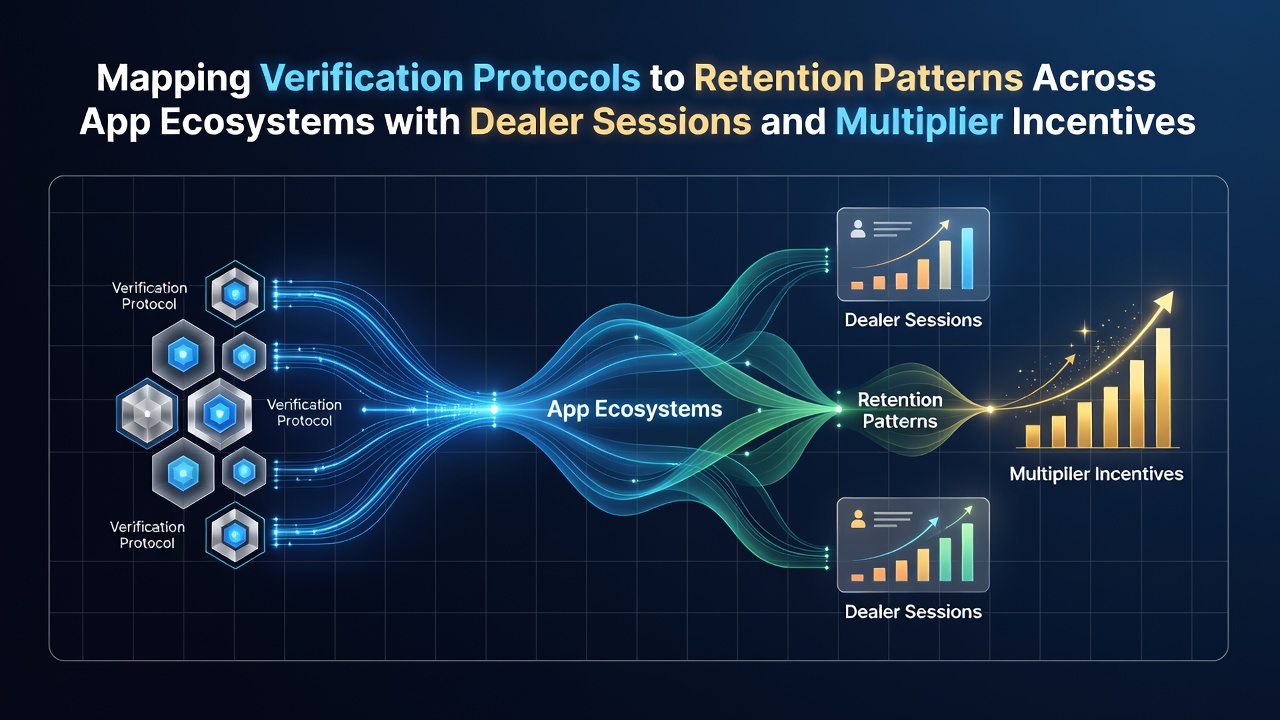
Verification Protocols and Their Connection to User Retention in Mobile Gaming Ecosystems Featuring Live Dealer Sessions and Multiplier Incentives
Verification protocols in mobile app ecosystems serve as foundational checkpoints that link directly to retention metrics, particularly in environments built around live dealer sessions and multiplier incentives, and researchers have tracked these connections through aggregated user data sets released in mid-2026. Platforms that require multi-step identity checks at onboarding often see distinct patterns where users who complete verification early demonstrate higher continuation rates into interactive dealer tables and bonus multiplier rounds, according to figures compiled by state regulatory bodies.
How Verification Layers Align With Engagement Cycles
App operators map verification steps such as document uploads and biometric confirmations onto user journey timelines, revealing that streamlined processes correlate with sustained participation in live sessions while rigid sequences sometimes interrupt the flow into multiplier incentive features. Data from the New Jersey Division of Gaming Enforcement shows that apps deploying automated verification tools experienced measurable upticks in repeat dealer session logins during the first half of 2026, especially when those tools integrated seamlessly with progressive reward structures. Observers note that users who pass verification within the initial session tend to explore multiplier incentives more frequently because the reduced friction keeps momentum intact across dealer-hosted games.
Retention patterns shift noticeably when verification protocols incorporate real-time feedback mechanisms, allowing platforms to flag incomplete profiles before users reach the multiplier reward tiers, and this approach has produced consistent retention lifts in several documented app deployments. Those who've analyzed cross-platform data find that ecosystems combining quick verification with personalized dealer session recommendations retain active users longer than systems that separate these elements into disconnected flows.
Dealer Sessions as Retention Anchors Tied to Verified Accounts
Live dealer sessions function as central retention anchors once verification clears the path to real-money play, and studies indicate that verified accounts engage with these sessions at higher frequencies because trust signals from completed protocols reduce hesitation around ongoing participation. Multiplier incentives layered on top of verified dealer tables further amplify this effect, as users who have already navigated verification tend to trigger and sustain bonus chains more readily. In July 2026, several major app providers rolled out updated protocol dashboards that visually map verification status directly to session frequency reports, giving operators clearer views of where drop-offs occur before multiplier opportunities activate.

Patterns emerge most clearly in apps that segment users by verification tier, where basic verified accounts show steady but moderate retention in dealer sessions while fully authenticated profiles unlock deeper multiplier incentive pathways and maintain longer active streaks. Experts tracking these trends across different app ecosystems report that verification completion acts as a reliable predictor of how deeply users will engage with both live dealer interactions and the layered reward multipliers attached to them.
Multiplier Incentives and Protocol-Driven Retention Data
Multiplier incentives gain traction when verification protocols feed directly into reward eligibility engines, creating automated pathways that reward verified users with escalating bonus structures during dealer sessions. Research from academic gaming labs at institutions in Canada and Australia highlights that apps synchronizing verification timestamps with multiplier activation windows achieve stronger retention curves because users perceive immediate value once protocols clear. The reality is that incomplete verification often blocks access to higher multiplier tiers, which in turn shortens session lengths and reduces return visits according to aggregated platform analytics shared in 2026 industry reports.
Operators who adjust verification prompts based on observed retention dips around incentive redemptions have documented improvements in how long users remain active across dealer-hosted environments. These adjustments typically involve conditional checks that trigger only after initial live sessions, preserving early engagement while still securing verified status for sustained multiplier use.
Cross-Ecosystem Comparisons and Emerging Patterns
Comparisons across multiple app ecosystems reveal that verification protocols calibrated to regional regulatory requirements produce varying retention outcomes when paired with dealer sessions and multiplier incentives. Platforms operating under frameworks from the Australian Communications and Media Authority alongside those following European Union digital service standards show parallel but distinct mapping results, where faster protocol completion generally supports higher continuation into live dealer play. What's interesting is how some ecosystems use verification data to personalize multiplier offers, leading to retention gains that compound over successive dealer sessions.
Those mapping these protocols continue to refine their models as new data streams from July 2026 updates become available, focusing on the precise points where verification intersects with incentive triggers to maximize long-term user presence in the ecosystem.
Conclusion
Mapping verification protocols to retention patterns continues to evolve as app developers refine connections between identity checks, live dealer sessions, and multiplier incentives. The data accumulated through 2026 underscores consistent relationships where streamlined verification supports deeper and longer engagement across these interactive features. Future adjustments will likely build on these established mappings to further align protocol flows with user continuation behaviors in mobile gaming environments.